Most people think of sleep as downtime. A chance to recharge, rest, and maybe catch up after a long day. But your body does some of its most important work while you sleep, especially your heart.
When sleep becomes disrupted night after night, the effects go far beyond feeling tired the next morning. Poor sleep quality, particularly from conditions like sleep apnea, can place significant stress on the cardiovascular system and quietly increase the risk of serious health problems over time. The challenge is that many people do not even realize it is happening.
Sleep apnea often develops gradually. Snoring becomes more frequent. Energy levels dip. Blood pressure starts creeping upward. Morning headaches appear. Many people brush these symptoms off as stress, aging, or simply “not sleeping well.” In reality, untreated sleep apnea can have a direct impact on heart health.
Understanding the connection between sleep apnea and cardiovascular disease is one of the most important steps patients can take toward improving both their sleep and their long-term health.
What Is Sleep Apnea?
Sleep apnea is a sleep disorder that causes repeated interruptions in breathing during sleep. The most common form is obstructive sleep apnea, or OSA, which occurs when the muscles in the throat relax too much and temporarily block the airway. These pauses in breathing can happen dozens, sometimes even hundreds, of times throughout the night.
According to the American Heart Association, sleep apnea affects millions of adults and is strongly associated with several forms of cardiovascular disease.
Many patients are unaware they have it because the interruptions occur while they are asleep. In some cases, a partner notices loud snoring, choking sounds, or pauses in breathing before the patient recognizes the issue themselves.
Common symptoms may include:
- Excessive daytime fatigue
- Waking up gasping for air
- Irritability or mood changes
- Poor sleep quality despite spending enough time in bed
Because symptoms often develop slowly, many people normalize them without realizing the strain being placed on the body.
How Sleep Apnea Affects the Heart
Every time breathing pauses during sleep, oxygen levels in the blood drop. The body responds by triggering a stress response that briefly wakes the brain enough to restart breathing. While these interruptions may only last seconds, the cycle can repeat continuously throughout the night.
That repeated stress has a significant impact on the cardiovascular system. According to the Mayo Clinic, untreated sleep apnea has been linked to high blood pressure, irregular heart rhythms, coronary artery disease, stroke, and heart failure. Here’s why:
Repeated Oxygen Drops Increase Stress on the Heart
When oxygen levels fall, blood vessels narrow and stress hormones rise. The heart has to work harder to maintain oxygen delivery throughout the body.
Over time, this repeated strain can contribute to chronic inflammation, elevated blood pressure, and increased cardiovascular risk.
Sleep Apnea Can Raise Blood Pressure
Blood pressure naturally dips during healthy sleep. However, patients with sleep apnea often lose that nighttime recovery period because the body remains in a constant state of stress.
This is one reason sleep apnea is so commonly linked to hypertension, especially blood pressure that is difficult to control with medication alone.
Irregular Heart Rhythms Become More Likely
Interrupted breathing and fluctuating oxygen levels can affect the electrical activity of the heart.
Research published by the American Heart Association has shown a strong association between sleep apnea and arrhythmias such as atrial fibrillation, commonly known as AFib.
For some patients, treating sleep apnea may help reduce episodes of abnormal heart rhythms.
The Connection Between Sleep Apnea and Heart Disease
Sleep apnea does not just increase risk factors for heart disease. It is increasingly viewed as a contributing factor to cardiovascular disease itself.
Patients with untreated sleep apnea are more likely to develop:
The relationship works both ways, too. Many patients already diagnosed with cardiovascular disease also suffer from undiagnosed sleep apnea. The Cleveland Clinic reports that sleep apnea is especially common among patients with heart failure and resistant hypertension.
That overlap is one reason cardiologists and vascular specialists are paying closer attention to sleep quality during cardiovascular evaluations.
Why So Many Cases Go Undiagnosed
One of the biggest challenges with sleep apnea is that it often hides in plain sight. People expect serious medical conditions to come with dramatic symptoms. Sleep apnea usually does not.
Instead, symptoms may look like:
- Feeling tired during the day
- Waking up frequently at night
- Falling asleep easily during quiet moments
Because these symptoms are common, patients may dismiss them for years.
In many cases, people do not seek evaluation until a spouse notices breathing interruptions or a provider begins investigating related issues like uncontrolled blood pressure or heart rhythm abnormalities.
Findings from Johns Hopkins Medicine state that a large percentage of individuals with sleep apnea remain undiagnosed and untreated.
Who Is Most at Risk?
Sleep apnea can affect anyone, including people who appear otherwise healthy. However, certain factors can increase risk.
These include:
- Family history of sleep apnea
Men are statistically more likely to develop sleep apnea, although risk for women increases after menopause.
Importantly, not everyone with sleep apnea fits a specific stereotype. Some patients are surprised to learn they have significant sleep apnea despite not fitting the “classic” profile.
That is why symptoms and cardiovascular risk factors should never be ignored.
Diagnosing Sleep Apnea
The good news is that diagnosing sleep apnea has become much more convenient than many patients expect.
Evaluation often begins with a discussion about symptoms, sleep habits, and cardiovascular health. From there, providers may recommend a sleep study to monitor breathing, oxygen levels, and sleep patterns overnight.
Depending on the situation, testing may occur:
- Through an at-home sleep study
- As part of a broader cardiovascular evaluation
The goal is not simply to confirm whether snoring exists. It is to determine whether breathing interruptions are affecting overall health and increasing cardiovascular strain.
How Treatment Can Improve Heart Health
Treating sleep apnea is about far more than getting better rest.
For many patients, effective treatment may improve blood pressure control, reduce cardiovascular stress, increase energy levels, and improve overall quality of life.
CPAP Therapy
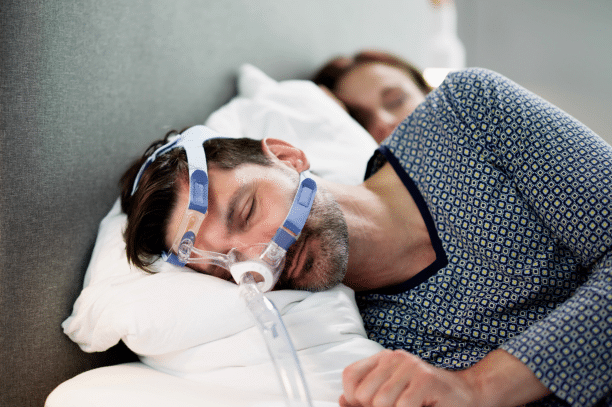
Continuous positive airway pressure, commonly called CPAP, is one of the most common treatments for obstructive sleep apnea.
The device keeps the airway open during sleep using gentle air pressure, helping prevent breathing interruptions throughout the night.
While CPAP therapy sometimes has a reputation for being difficult to adjust to, modern devices have become smaller, quieter, and more comfortable than many people expect.
Lifestyle Changes
In some cases, lifestyle modifications can significantly improve sleep apnea symptoms.
This may include:
- Reducing alcohol consumption
- Improving sleep positioning
These changes may also improve cardiovascular health at the same time.
Treating the Bigger Picture
For patients with cardiovascular disease, treating sleep apnea is often part of a larger preventive strategy.
Improving sleep quality may support better management of:
Addressing sleep health alongside cardiovascular care allows providers to take a more comprehensive approach to long-term wellness.
Sleep Is Not a Luxury
For years, sleep was treated like an afterthought in healthcare.
That mindset is changing quickly.
Today, providers increasingly recognize sleep as a major pillar of cardiovascular health, alongside nutrition, exercise, blood pressure control, and cholesterol management.
Poor sleep is not simply an inconvenience. In some cases, it may be an early warning sign that the heart and vascular system are under stress.
The good news is that sleep apnea is treatable, and early intervention can make a meaningful difference.
Taking Sleep and Heart Health Seriously
Many patients spend years trying to push through fatigue, poor sleep, and daytime exhaustion without realizing what their body is trying to tell them.
Snoring may seem harmless. Feeling tired may seem normal. But when breathing repeatedly stops during sleep, the cardiovascular system feels the impact night after night.
Recognizing the connection between sleep apnea and heart disease is an important step toward protecting long-term health.
At CardioVascular Health Clinic, comprehensive cardiovascular care includes looking beyond obvious symptoms and identifying underlying factors that may affect heart health over time. Evaluating sleep health can be an important part of that process, especially for patients dealing with high blood pressure, heart rhythm issues, or unexplained fatigue.
Better sleep is not just about feeling more rested. It may also help support a healthier heart. develop. Take control today and call CardioVascular Health Clinic to schedule a consultation.