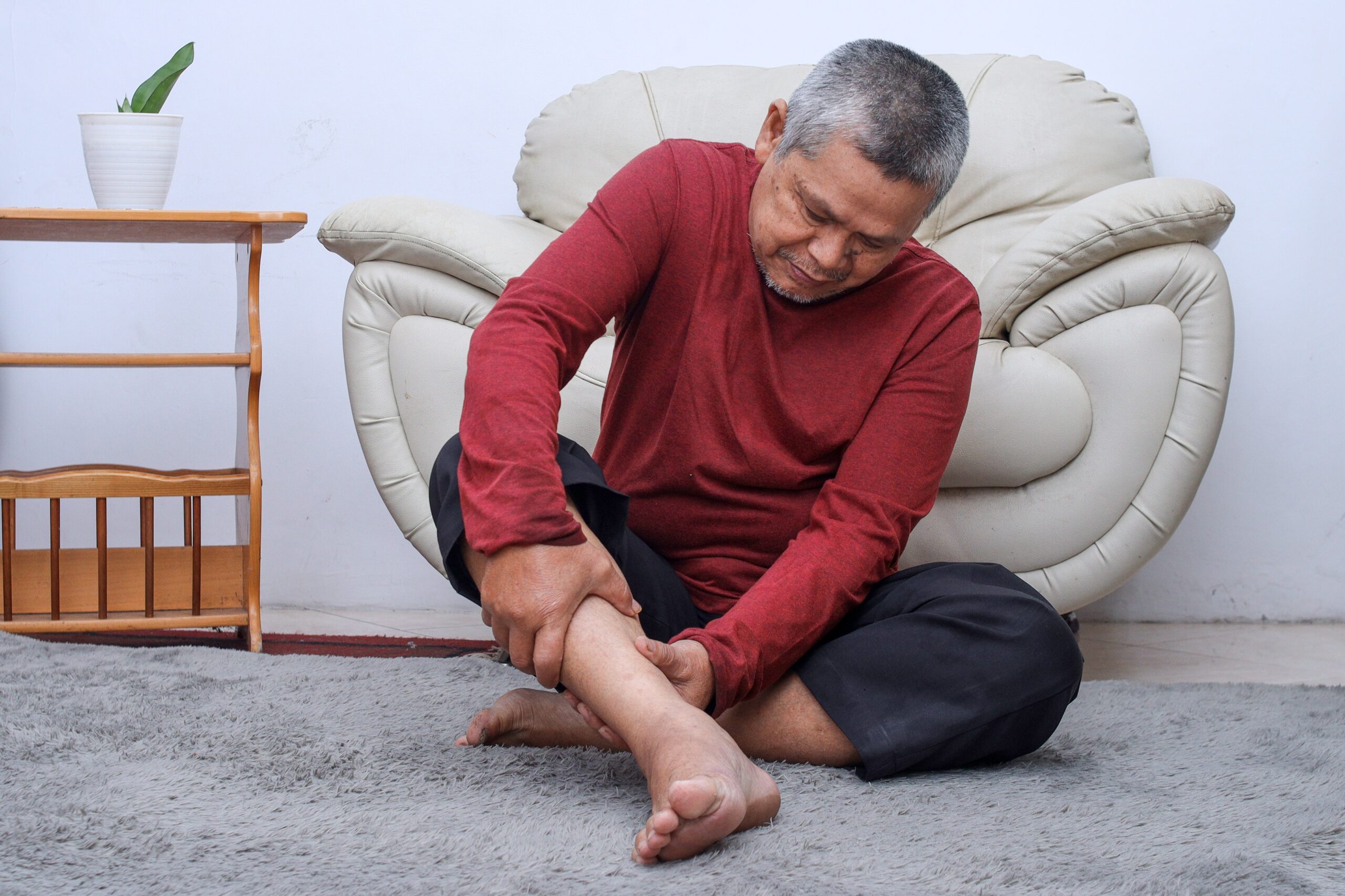
Chronic Venous Insufficiency (CVI)--also referred to as chronic venous stasis or venous reflux disease–is a common vascular condition affecting millions of Americans. While it’s often associated with varicose veins or cosmetic concerns, CVI is a progressive disease that can significantly affect mobility, comfort, and quality of life if left untreated. Moreover, it is not just a condition of “poor health”; even healthy, active individuals can develop CVI due to age, genetics, and occupational demands.
CardioVascular Health leads the country in innovative, comprehensive treatments for chronic venous insufficiency as well as other common vascular conditions, including peripheral arterial disease, peripheral vascular disease, and varicose veins. Our multidisciplinary team of national-caliber vascular surgeons, interventional radiologists, and cardiovascular specialists is committed to providing the most advanced, patient-focused therapies available, therapies designed to relieve symptoms, speed recovery, minimize complications, and improve overall quality of life. By combining deep expertise with a whole-person approach to care, we’re setting new standards in the diagnosis, treatment, and management of CVI, PAD, PVD, and related conditions throughout Oklahoma and the US.
How Common is Chronic Venous Insufficiency?
Chronic venous insufficiency (CVI) is sometimes referred to as chronic venous stasis or venous reflux disease, different terms that describe the same underlying problem: malfunctioning vein valves that allow blood to flow backward and pool in the legs. In a healthy venous system, these valves ensure that blood returns efficiently to the heart, but when they weaken or become damaged, blood refluxes or stagnates, leading to increased pressure in the veins.
This impaired circulation affects the body by creating a buildup of pressure in the lower legs, which can cause swelling, aching, and visible varicose veins. Over time, the condition can damage skin tissue, leading to discoloration, inflammation, or even open sores called venous ulcers. Regardless of the term used — CVI, venous stasis, or venous reflux — the condition reflects the same progressive cycle of poor venous return, pressure buildup, and tissue damage in the legs.
An estimated 25 million adults in the U.S. have some form of CVI, with around 6 million experiencing more advanced stages of the disease. The condition is surprisingly common, affecting about 1% to 17% of men and 1% to 40% of women depending on diagnostic criteria. Women tend to be disproportionately affected, comprising roughly 60–70% of CVI cases, but men, particularly as they age, are also at significant risk. A Gutenberg Health Study found that in a general adult population aged 40-80, more than 40% showed clinical signs or symptoms of CVI.
“Chronic venous insufficiency is far more common than most people realize. We see it in tens of millions of Americans, and yet many can manage it effectively with early intervention,” says Dr. Sherisa Warren, a vascular surgeon at CardioVascular Health Clinic experienced in venous disease management.
“With the right diagnosis and personalized treatment, the majority of patients continue to live full, active lives, even those with advanced stages.”
Chronic venous insufficiency is often characterized by the following symptoms:
- Swelling (edema) in the lower legs and ankles
- Aching, throbbing, or heaviness in the legs
- Skin discoloration or thickening near the ankles
- Varicose veins
- Itchy, dry skin or eczema near affected veins
- Leg ulcers in advanced stages
Causes and Risk Factors of Chronic Venous Insufficiency
Chronic venous insufficiency is a condition that can develop in anyone, regardless of how healthy or active they are. While it often becomes more common with age, it’s not just a problem for those in poor health.
“Chronic venous insufficiency is driven by a combination of inherited factors, lifestyle, and aging. Even active individuals can develop CVI simply due to how veins change over time,” says Dr. Warren.
There are a wide range of potential causes for CVI, including:
- Damage from deep vein thrombosis (DVT) or blood clots
- Genetic predisposition to weak vein walls or valves
- Hormonal factors, such as those associated with pregnancy or hormone replacement therapy
- Occupational exposure, especially for people who stand or sit for long periods
- Age-related changes that affect vein elasticity
There are also several factors that can increase your chances of developing CVI over time, such as:
- Age over 50
- Female gender
- Multiple pregnancies
- Family history of venous disease
- Obesity
- Sedentary lifestyle
- Long periods of standing or sitting for work
How CVI Can Develop in Healthy Adults
Chronic venous insufficiency isn’t always a consequence of poor health or lifestyle choices, and many healthy, active, and physically fit adults can develop CVI even if they have no other significant health conditions. Studies estimate that a substantial percentage of people with CVI do not have major comorbidities, indicating that CVI often develops independently of other chronic illnesses or associated conditions.
“We frequently diagnose CVI in patients who are otherwise healthy—that is, with no other medical conditions—particularly among individuals over 40, including active professionals and adults without typical cardiovascular comorbidities,” says Dr. Warren. “Our experience mirrors the published data, and just reinforces how common and insidious this condition can be.”
Even healthy adults can develop CVI as a result of:
- Genetics. Some individuals inherit vein wall or valve weaknesses, predisposing them to CVI regardless of their health habits.
- Occupational strain. Long-term standing, walking, or lifting — common among healthcare workers, teachers, retail employees, and tradespeople — places chronic stress on veins, gradually leading to valve failure.
- Normal aging. Over time, even healthy veins can lose elasticity and valve integrity simply as part of the natural aging process.
- Gravity. Particularly for tall or physically active men who have spent decades on their feet, gravitational force contributes to gradual vein valve weakening.
“It’s important not to frame CVI as a ‘weakness’ or failure of personal health,” explains Dr. Warren, “but as a common condition that often reflects a lifetime of activity and hard work.”
Diagnosing, Treating, and Managing CVI
CVI is progressive and irreversible, but it can be controlled. Early diagnosis and management are key to treating the condition and preventing significant complications that can have a major impact on quality of life and may result in hospitalizations or long-term disability. And, advances in vein care mean that CVI is highly treatable, with options ranging from conservative management to minimally invasive procedures.
Diagnosing CVI
An expert, accurate diagnosis is essential to understanding the extent and specific causes of chronic venous insufficiency. Proper diagnostic testing–such as duplex venous ultrasound–ensures that the right veins are identified and treated effectively. Duplex venous ultrasound is the gold standard for diagnosing CVI, providing a real-time map of vein anatomy and function, and identifying areas of reflux and obstruction.
With a clear and precise diagnosis using advanced imaging technology, providers can tailor a treatment plan that addresses the root problem and delivers the best possible outcome for each patient.
Treating CVI
Treatment for chronic venous insufficiency focuses on minimizing discomfort, relieving symptoms, and improving circulation to help patients feel and function better, and the goal is not only to address current issues but also to reduce the progression of the condition over time.
When left untreated, CVI can lead to:
- Chronic swelling and discomfort that limits mobility
- Skin changes such as thickening, discoloration, and eczema
- Venous stasis ulcers (painful, slow-healing wounds around the ankles)
- Recurrent infections like cellulitis
- Blood clots (superficial thrombophlebitis or deep vein thrombosis)
However, modern treatment methods for CVI—from conservative management to minimally invasive procedures–are highly effective and can help patients maintain mobility, independence, and a healthy, active lifestyle despite their diagnosis. With a combination of therapies and wound care, even advanced CVI with venous ulcers can often be managed successfully .
Compression therapy–in which graduated compression stockings improve circulation and reduce swelling–and lifestyle modifications–including weight management, exercise, leg elevation, and avoiding prolonged sitting or standing–can effectively manage mild cases, reducing swelling, improving comfort, and slowing progression.
Minimally invasive procedures for treating chronic venous insufficiency are highly effective, convenient, and advanced to the point where they can be performed as simple outpatient treatments.
“Minimally invasive therapies for CVI have transformed patient care,” says Dr. Blake Parsons, an interventional radiologist at CardioVascular Health Clinic and leading expert in minimally invasive procedures. “Most procedures are done in the office with minimal discomfort and little downtime, and the majority of patients are able to return to regular activities the same day or within days after treatment.”
Common outpatient procedures for treating CVI include:
- Thermal ablation, which uses radiofrequency or laser energy seals off affected veins. Thermal ablation is highly effective, with symptom relief and improved quality of life reported in more than 90% of patients.
- Sclerotherapy, in which a chemical agent is injected to collapse smaller varicose or spider veins.
- Stab phlebectomy, in which small incisions used to remove visible varicose veins.
- Non-thermal ablation, including mechanochemical ablation (MOCA) or cyanoacrylate glue embolization, which offer alternatives without heat or large incisions.
Discover Comprehensive Treatment for Chronic Venous Insufficiency at CardioVascular Health Clinic
With a suite of state‑of‑the‑art diagnostics, minimally invasive therapies, and patient‑centered, multidisciplinary treatment strategies, CardioVascular Health Clinic (CVH) stands at the forefront of CVI care. We leverage high-resolution diagnostics and advanced testing to map venous pathology with precision, and our team of nationally recognized interventional radiologists, vascular surgeons, and cardiologists routinely performs complex outpatient procedures such as radiofrequency ablation, sclerotherapy, MOCA, and cyanoacrylate embolization, all designed to minimize discomfort, reduce recovery times, and restore healthy circulation .
At CardioVascular Health Clinic, we excel through its comprehensive treatment plans that address each patient’s entire well-being. Our specialists collaborate closely to manage concurrent conditions like PAD, DVT, and arterial disease to ensure safe and effective care even in complex presentations, and our commitment to patient education, preventive care, and quality-of-life improvement empowers individuals to take control of their vascular health.
From state-of-the-art facilities at multiple locations to mobile vascular clinics, CardioVascular Health Clinic delivers national-caliber, leading-edge care directly to the Oklahoman communities that need it. If you or a loved one are experiencing the symptoms of CVI, don’t wait; schedule an appointment today.