For decades, patients with complex coronary artery disease—particularly those with multiple blockages or heavily calcified arteries—often required open-heart bypass surgery. Advances in cardiovascular medicine and interventional cardiology, however, have transformed how these conditions are diagnosed and treated, dramatically expanding the options available. Today, many complex coronary artery cases can be managed using minimally invasive catheter-based procedures that restore blood flow without major surgery. These techniques allow physicians to reach the coronary arteries through small blood vessels—often through the wrist—treat blockages with specialized tools, and place advanced stents to keep the artery open.
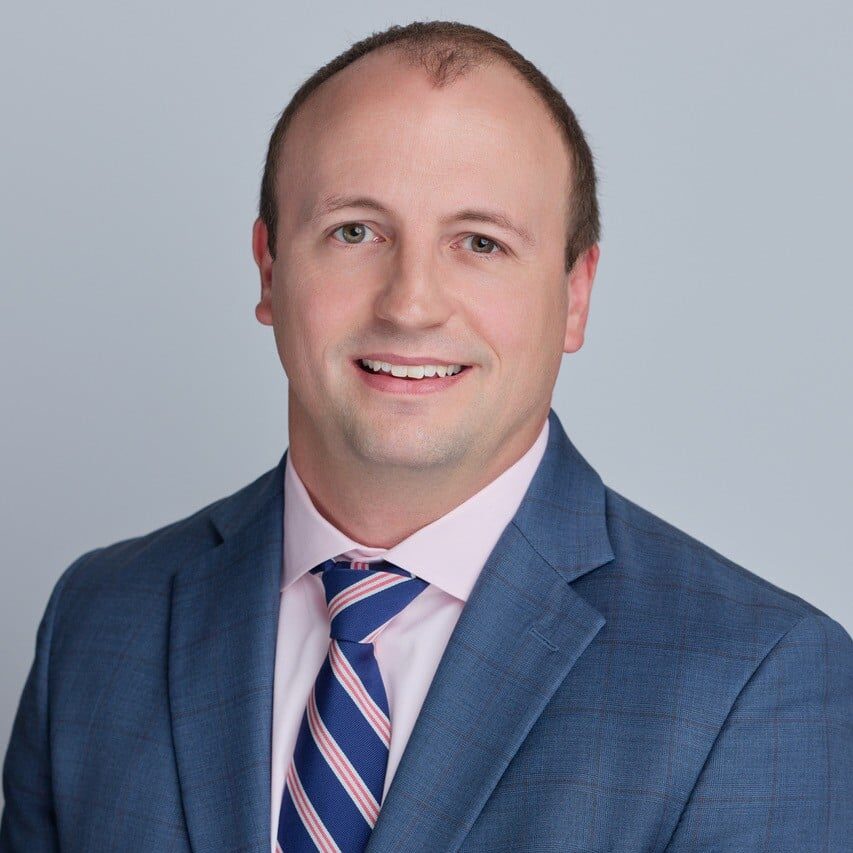
“Interventional cardiology has changed enormously over the past 20 to 30 years,” says Dr. Daniel Sherbet, an interventional cardiologist at CardioVascular Health Clinic. “We now have technologies that allow us to identify disease earlier, treat blockages more precisely, and help patients recover faster than ever before.”
Modern advances are also helping physicians do more than respond to heart attacks. Increasingly, they allow doctors to identify coronary artery disease earlier, treat symptoms sooner, and prevent future cardiac events before they occur.
“We’re not just looking at a simple X-ray image of the artery anymore,” says Dr. Sherbet. “We can use advanced imaging and physiologic testing to evaluate what’s happening inside the vessel itself and determine exactly how it should be treated.”
“That level of detail allows us to tailor treatment to each patient and even to each individual vessel,” Dr. Sherbet explains. “The more precisely we understand what’s happening in the artery, the better we can treat it and the better the long-term outcome for the patient.”
Together with advances in drug-eluting stents and specialized techniques for treating heavily calcified plaque, these technologies are expanding the number of complex coronary artery cases that can be treated with minimally invasive procedures while helping physicians optimize treatment in real time by reducing complications, lowering the risk of recurrent blockages, and preventing future cardiac events.
Setting the Standard for Comprehensive Cardiovascular Care and Interventional Cardiology
For Dr. Sherbet, interventional cardiology is about more than responding to emergencies; it’s also about changing the long-term trajectory of coronary artery disease through precise treatment and ongoing care.
“Heart disease is extremely common, but there are also many effective treatments available today,” he says. “That combination—the number of people who need help and the number of ways we can help them, especially in those critical moments that matter most—is what drew me to interventional cardiology.”
Critical moments like treating a heart attack or restoring blood flow through a severely narrowed artery are only part of the work, and what happens next is just as important. Many of the patients Dr. Sherbet treats go on to require long-term management, where their condition can be monitored, stabilized, and, in many cases, prevented from progressing further, and the ability to move seamlessly from intervention to long-term care is one of the reasons he chose to practice at CardioVascular Health Clinic.
“It’s a very unique place to practice medicine,” he says. “The entire system is designed around what’s best for patients.”
Here’s how that approach shapes his work in treating complex coronary artery disease:
1. A more complete view of coronary artery disease.
Coronary artery disease rarely exists in isolation. Patients may have disease in multiple coronary vessels or related issues elsewhere in the circulatory system, including the carotid or peripheral arteries, and those initially diagnosed with vascular disease may face an increased risk of heart attack or stroke. Understanding that broader picture can directly influence how and when to intervene.
At CardioVascular Health Clinic, Dr. Sherbet works closely with vascular specialists to evaluate patients more comprehensively, rather than limiting the focus to coronary disease. That collaboration allows for earlier identification of related conditions and helps ensure that treatment decisions account for the full scope of a patient’s cardiovascular health.
“That collaboration allows us to identify related problems earlier and make sure patients receive the right care from the right specialist,” he says.
For patients with complex disease, that kind of coordinated evaluation can lead to more informed decisions and better long-term outcomes.
2. An outpatient setting that supports timely, minimally invasive care.
Advances in interventional cardiology now allow many cases of coronary artery disease to be treated without open surgery. Dr. Sherbet performs these procedures in a dedicated outpatient catheterization laboratory, where care is designed to be efficient and streamlined.
For patients, this often means arriving for a scheduled procedure, undergoing minimally invasive treatment, and returning home the same day.
“Instead of navigating a large hospital system, many patients can drive to the clinic, walk in for their procedure, and go home later the same day,” he explains.
This setting reduces delays and improves access to timely care, an important factor when symptoms can escalate quickly or when early intervention can prevent more serious events.
3. Earlier evaluation and access to specialized care.
Coronary artery disease often develops gradually, sometimes without clear symptoms until it becomes advanced. Earlier evaluation creates more opportunities to intervene before a major cardiac event occurs.
Through CardioVascular Health Clinic’s outreach model, Dr. Sherbet evaluates patients across Oklahoma, allowing many to complete initial testing—such as stress tests, echocardiograms, and vascular ultrasounds—closer to home. This makes it easier to investigate symptoms sooner and begin the diagnostic process without delay.
When more advanced treatment is needed, patients can transition to the main clinic for procedures. For those with complex coronary artery disease, this combination of early detection and streamlined access helps reduce the risk of progression and emergency events.
4. Modern interventions guided by precision tools, advanced imaging, and quality research.
Effective interventional cardiology depends on understanding what’s happening inside the artery, both before and during a procedure. For Dr. Sherbet, that level of detail is critical, especially in complex cases.
Using technologies such as intravascular ultrasound (IVUS) and optical coherence tomography (OCT), he can evaluate plaque, measure vessels, and guide stent placement in real time. Physiologic testing further helps determine whether a narrowing is actually limiting blood flow, ensuring that intervention is both necessary and appropriately targeted.
“Those technologies allow us to see exactly what’s happening inside the vessel while we’re performing a procedure,” Dr. Sherbet says. “That level of precision helps us optimize how a stent is placed and how the artery is treated.”
Combined with advanced techniques for treating calcified plaque and the use of drug-eluting stents, these tools allow treatment to be tailored to each patient and each individual lesion.
At the same time, Dr. Sherbet emphasizes balancing innovation with evidence.
“Cardiology is constantly evolving,” he says. “There’s an enormous amount of research being published, and it’s important to understand what truly improves patient care.”
That approach ensures patients benefit from meaningful advancements—through more precise interventions, fewer complications, and improved long-term outcomes—without unnecessary risk.
Looking Ahead: Prevention, Progress, and Better Outcomes for Patients with Complex Coronary Artery Disease
For patients, symptoms like chest pain, shortness of breath, or a sudden heart attack can feel frightening and disruptive, instantly change daily life and raise serious concerns about the future. But one of the most important things patients should understand, Dr. Sherbet says, is how much cardiovascular care has advanced.
“Heart disease is much more treatable today than it was even a generation ago,” he says. “With the right diagnosis, the right treatment plan, and good ongoing care, many patients with coronary artery disease can go on to live long, healthy lives.”
For physicians who specialize in interventional cardiology and advanced coronary artery disease, treating life-threatening blockages in the moment can be incredibly rewarding, but Dr. Sherbet says the broader picture is something even more significant: preventing those emergencies from happening at all.
“The real holy grail is identifying patients before they ever have a major event,” he explains.
Advances in laboratory testing and imaging technology are helping physicians identify cardiovascular risk earlier than ever before. Blood-based assessments can flag patients who may be at higher risk for heart disease, while advanced imaging—such as CT scans that detect early plaque buildup—can reveal coronary artery disease before symptoms appear. With this earlier insight, physicians can intervene sooner through lifestyle changes, medications, and careful monitoring, often addressing developing blockages before they progress into advanced or complex coronary artery disease that could lead to a heart attack.
“The earlier we identify a problem, the more options we have to treat it and prevent it from getting worse,” Dr. Sherbet says. “That’s one of the most gratifying parts of what we do—helping patients avoid serious complications before they ever happen.”
“This part of the country has a high burden of heart disease, which is one of the reasons we’re practicing here,” Dr. Sherbet says. “People in Oklahoma deserve access to the same level of cardiovascular care you’d find anywhere in the country.”
At CardioVascular Health Clinic, that commitment means combining advanced treatments for complex coronary artery disease with a strong emphasis on prevention, early diagnosis, and long-term patient relationships.
“I think about it as taking care of people the same way I’d want my own family taken care of,” Dr. Sherbet says. “The goal is to give patients the best care possible so they can stay healthy and keep living the lives they enjoy.”
If you’re experiencing symptoms such as chest pain or shortness of breath, or have concerns about coronary artery disease, Dr. Daniel Sherbet is now seeing patients at CardioVascular Health Clinic. Scheduling an evaluation can help identify potential issues early and determine the next steps for protecting your long-term heart health.
We’re committed to timely, efficient, and affordable care.
Here is a collection of useful resources our new and existing patients need in one convenient location. Please let us know if you need additional information or have any questions.
I’m about one month out and things are so much better. At my two week evaluation my symptom score had gone from a 27 to a 7, and I’m sure it’s even better now. That speaks volumes. Now that I’m post recovery, there is no incontinence, I go to the bathroom much less and there are no ED side effects like there are with other procedures. In regard to my quality of life, well, I don’t maintain my life based on my proximity to a bathroom anymore.
- Blaine P., M.D.
Professional staff working in a beautiful facility with great doctors who sincerely care about their patients. Without Dr. Schmidt's skill, I would have needed heart bypass surgery instead of a stent. Follow-up has been thorough. I can't recommend them highly enough.
- LeAnn H.
Dr. Jim Melton and all the staff are fantastic. He is an excellent surgeon and his team is GREAT!!!! I just had surgery at the surgery center, I have only great things to say about my experience. Without him I really don't think I would be here to write this. If you’re looking for a good cardiovascular team, they are a 5 star for sure.
- Susie H.
Dr. Parsons and staff are amazing. He truly listened to me from the consult. Staff showed genuine care for my progress post procedure. I had my follow up appointment today so satisfied with results. Blake made me comfortable from the start. He is an activist for uterine fibroids treatment beyond the standard.
- Tamara M.
Professional and caring staff. Dr. Smith is very knowledgeable and shows genuine concern for your personal health. I enjoyed the background music in the procedure room, it really adds to the relaxing atmosphere.
- David L.
Dr. John Schrader is the most personable doctor we know. He stays on top of my dads health care and is genuinely concerned about his health. We never leave his office with questions. He answers them all. Even questions we don’t think of. Always professional but never cold or bad bedside manner. In our opinion he is THE BEST around. Thank you Dr Schrader.
- Kathy J.
I came to Dr. Warren by a self referral for mals when it took me 8yrs 50+ doctors and thousands of dollars spent on no answers. My first visit I was scared I was just going to be gaslighted just like the past however I was pleasantly shocked when Dr. Warren immediately believed me. She took the time to review many disk I had brought from past tests. She never once dismissed me and listened to ever word I had to say. She scheduled one last test to confirm the diagnosis then I was scheduled for surgery right away. Surgery was a success and I can’t thank her and her staff enough. Dr. Warren truly saved my life.
- Angie W.
Dr. Garner literally saved my life 18 months ago and I've followed him to his new practice with Cardiovascular Health. He explains things so clearly, listens and is just a very nice person. His staff is great, too! I highly recommend!
- D Watts
Some of the nicest staff that I have ever dealt with!! They have been so incredibly awesome to my mom!! Would definitely recommend them to anyone!! Thank you so much for being so great with her!!
- Christy G.
The staff, the nurses, and Dr. Parsons were all amazing. Everything was simple and went well – very Bravo Zulu (military phrase meaning "well done"). In addition to the great staff at CardioVascular Health Clinic, the facilities were clean and well maintained. I have no complaints about anything. The whole experience was A1. I would recommend Dr. Parsons to anyone. He made a huge impact on my life.