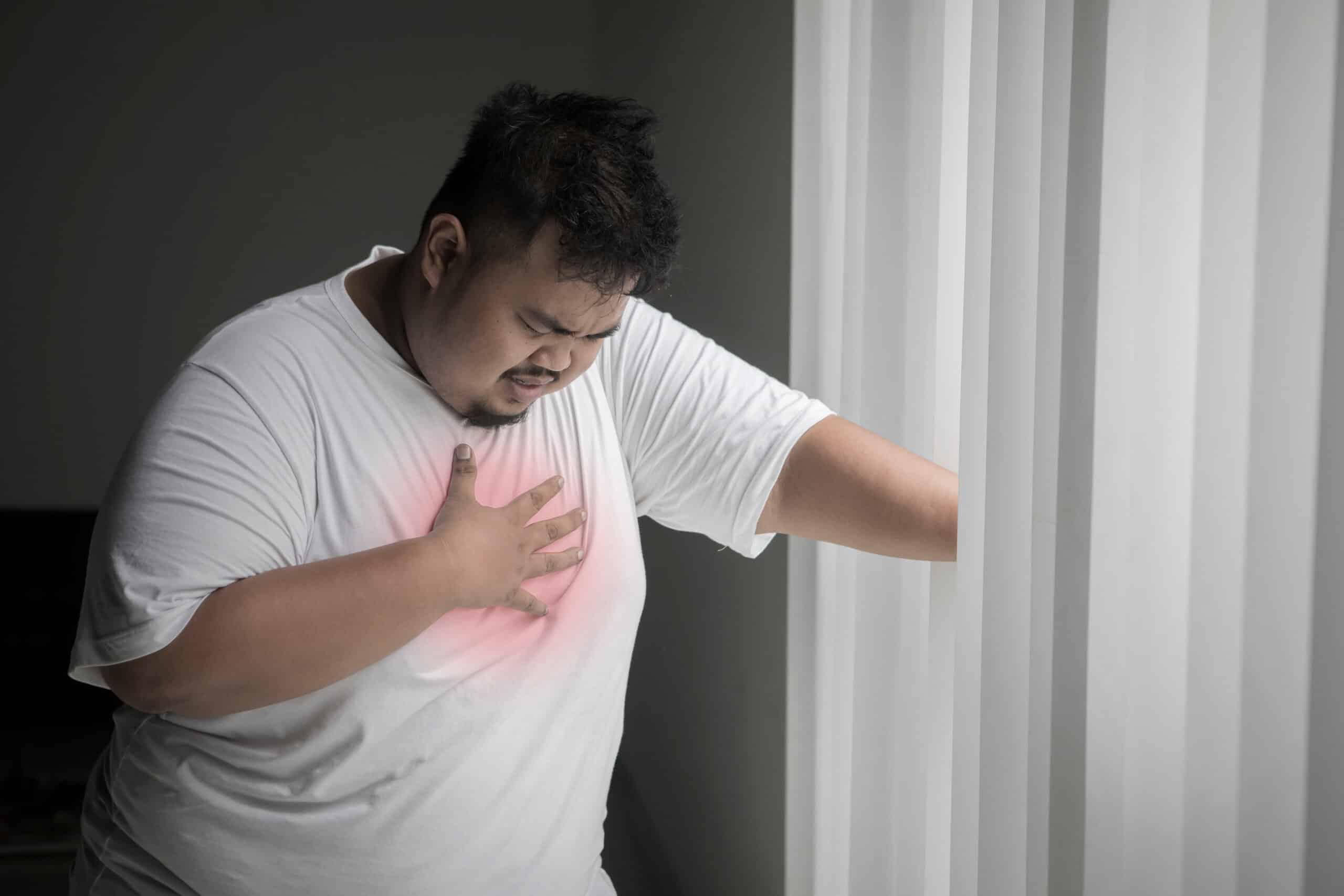
Obesity can significantly increase the risk of heart disease by raising blood pressure, disrupting metabolism, and straining the cardiovascular system. Even small changes in weight and lifestyle can lead to measurable improvements in heart health.
Obesity is often treated like a numbers game — BMI, calories, pounds. It can seem like it all comes down to what's on the scale. But weight is only part of the story. What really matters is how that extra weight affects the body, especially the heart. Extra pounds can put more pressure on your cardiovascular system than most people realize, influencing everything from blood pressure to the rhythm of your heartbeat.
At CardioVascular Health Clinic, patients with obesity and obesity-related cardiovascular concerns receive the specialized, wrap-around care they need to take control of their health and protect their heart. Our multidisciplinary team includes national-caliber physicians, cardiologists, vascular specialists, and interventional experts who are experienced in managing the complex heart and vascular issues often linked to obesity, such as hypertension, sleep apnea, and metabolic syndrome. Using state-of-the-art diagnostic tools, leading-edge procedures, and personalized treatment plans, the physicians at CardioVascular Health Clinic provide comprehensive care that goes beyond medication, incorporating lifestyle guidance, risk reduction strategies, and long-term support to improve outcomes and enhance your quality of life.
Understanding Obesity: It’s Not Just About the Scale
Obesity is usually defined by a BMI of 30 or higher, but BMI isn’t perfect; it doesn’t tell the full story of your health, and it doesn’t know the difference between muscle and fat. Waist size, body composition, and where you carry weight all matter, too.
Moreover, obesity isn’t always about a failure to diet and exercise. Hormones, sleep, stress, medications, and genetics all play a role, which is why weight management isn’t just about willpower. For many people, obesity and weight management are much more complicated.
How Obesity Contributes to Heart Problems
The heart’s job is to pump blood throughout your body. The more weight it has to support, the harder that job becomes. Over time, that extra workload can wear the heart down, leading to complications like higher blood pressure, higher cholesterol, and a greater risk of things like heart attacks and stroke.
Obesity puts a lot of extra pressure on your heart and blood vessels in several connected ways:
Excess weight increases the total amount of blood your heart has to move, requiring the heart to pump harder and work longer. This constant effort can eventually thicken the muscle tissue of the heart and cause it to become larger and weaker, increasing the risk of heart failure.
Central obesity—in particular excess visceral fat, which is fat around the abdomen—promotes atherosclerosis as fatty plaque deposits build up in artery walls, slowing blood flow and raising the risk of heart attack and stroke.
Obesity also triggers metabolic dysregulation, raising LDL cholesterol, lowering HDL, increasing triglycerides, and driving insulin resistance, type 2 diabetes, hypertension, and sleep apnea—all independent risk factors that frequently occur together and increase the chances of developing heart disease.
Obesity contributes to chronic inflammation and dysfunction in the linings of the blood vessels, further accelerating the development of vascular disease and cardiac injury.
This combination of mechanical overload, metabolic strain, vascular damage, and secondary comorbidities means obesity isn’t just a weight issue; it creates a chain reaction in the body that makes heart problems much more likely.
Visceral Fat: The Hidden Risk
Visceral fat is a type of fat that collects deep in the abdomen, surrounding the internal organs. Unlike subcutaneous fat (the kind you can pinch under the skin) visceral fat isn’t as obvious, but it poses a greater risk to heart health.
Visceral fat actively influences how your body functions on the inside. It releases hormones and inflammatory chemicals that can interfere with how your body manages blood sugar, cholesterol, and blood pressure. Over time, these disruptions increase your risk of heart disease.
You don’t have to be significantly overweight to have visceral fat. Even people with a normal weight and BMI can have high levels of visceral fat, especially if they tend to store fat around the belly. It’s not always something you can see, but it can still raise your risk for serious heart issues.
6 Cardiovascular Conditions Commonly Associated with Obesity
Obesity and heart health are closely linked, with research showing that excess weight can raise the risk for a wide range of cardiovascular problems. According to the American Heart Association, people with obesity are up to 85% more likely to develop heart disease compared to those at a healthy weight. That’s because obesity doesn’t just affect one part of the body—it creates a ripple effect that disrupts blood pressure, cholesterol, blood sugar, and more, setting the stage for serious heart and vascular conditions.
Here are 6 cardiovascular conditions commonly associated with obesity.
When there's more body to supply with blood, your heart has to pump harder to keep up. That means higher pressure inside your arteries and over time, that constant strain can take a serious toll, wearing down the blood vessels and forcing your heart to work overtime all the time.
Coronary Artery Disease (CAD)
Obesity raises the risk of plaque buildup in your arteries, the vessels that carry blood to your heart. As those passageways get narrower, blood flow slows down, leading to tightness in your chest, shortness of breath, or even a heart attack.
Heart failure doesn't mean the heart stops working completely; it means it can't keep up with what your body needs. When the heart struggles to pump blood efficiently, you might notice swelling in your legs, feeling wiped out all the time, or getting winded with everyday activities.
Extra fat around the heart can change its structure. That makes it more prone to electrical hiccups, like atrial fibrillation, which can cause palpitations and boost the risk of stroke.
Vein and Circulation Problems
The more weight pressing on your lower body, the harder it is for your veins to move blood back to the heart. That can lead to swelling, bulging varicose veins, and in some cases, dangerous blood clots.
Systemic Conditions
Obesity doesn’t just affect weight—it impacts nearly every system in the body. By disrupting how the body regulates hormones, inflammation, and metabolism, it can lead to widespread health issues including:
Chronic low-grade inflammation throughout the body, which, over time, damages blood vessels and sets the stage for heart disease.
Insulin resistance, a condition that makes the body less responsive to insulin and can lead to prediabetes or type 2 diabetes, both of which increase your risk for heart trouble.
Metabolic syndrome, a cluster of conditions including high blood pressure, high blood sugar, unhealthy cholesterol levels, and excess abdominal fat that significantly increases the risk of heart disease, stroke, and type 2 diabetes. Together, these factors put continuous stress on the cardiovascular system, accelerating damage to the heart and blood vessels.
Start Small to Reduce Your Risk of Obesity-Related Heart Problems
While there is no fast fix for obesity, even small steps can lead to big improvements. Losing just 5 to 10 percent of your weight can take a load off your heart, drop your blood pressure, and help your cholesterol move in the right direction.
Other things you can do to start feeling better and improve your heart health include:
Get moving, your way. A daily walk counts. So does playing with your kids, gardening, or stretching during TV commercials. If it gets your body moving, it helps.
Make sleep a priority. When you’re tired, everything feels harder, including making healthy choices. Good sleep resets your hormones and helps you stay on track.
Give stress less power. Stress shows up in your body whether you notice it or not. Try deep breathing, music, nature, or whatever helps you unwind.
You don’t need a complete life overhaul. Just start with one small change and build from there. You’ll be surprised how far it can take you.
Care for Your Heart’s Health with CardioVascular Health Clinic
At CardioVascular Health Clinic, we understand that obesity affects more than just weight—it can put serious stress on your heart and increase your risk for conditions like high blood pressure, high cholesterol, and type 2 diabetes. That’s why we take a personalized, whole-person approach to care, combining advanced diagnostics with expert guidance to detect early warning signs, manage related conditions, and support long-term heart health. Whether you're in the early stages of concern or already have a diagnosis, our team is here to help you take control and move forward with confidence. With multiple locations across the state, CardioVascular Health Clinic makes it easier for more Oklahomans to access high-quality, specialized cardiovascular care close to home. Our experienced providers offer leading-edge treatments, lifestyle support, and ongoing monitoring to help you strengthen your heart, improve your health, and reduce your risk of serious complications. If you’re living with obesity and feeling stuck—or just want to be proactive—it’s never too early to have that conversation. Contact us today and get started on your journey to better health.
We’re committed to timely, efficient, and affordable care.
Here is a collection of useful resources our new and existing patients need in one convenient location. Please let us know if you need additional information or have any questions.
I’m about one month out and things are so much better. At my two week evaluation my symptom score had gone from a 27 to a 7, and I’m sure it’s even better now. That speaks volumes. Now that I’m post recovery, there is no incontinence, I go to the bathroom much less and there are no ED side effects like there are with other procedures. In regard to my quality of life, well, I don’t maintain my life based on my proximity to a bathroom anymore.
- Blaine P., M.D.
Professional staff working in a beautiful facility with great doctors who sincerely care about their patients. Without Dr. Schmidt's skill, I would have needed heart bypass surgery instead of a stent. Follow-up has been thorough. I can't recommend them highly enough.
- LeAnn H.
Dr. Jim Melton and all the staff are fantastic. He is an excellent surgeon and his team is GREAT!!!! I just had surgery at the surgery center, I have only great things to say about my experience. Without him I really don't think I would be here to write this. If you’re looking for a good cardiovascular team, they are a 5 star for sure.
- Susie H.
Dr. Parsons and staff are amazing. He truly listened to me from the consult. Staff showed genuine care for my progress post procedure. I had my follow up appointment today so satisfied with results. Blake made me comfortable from the start. He is an activist for uterine fibroids treatment beyond the standard.
- Tamara M.
Professional and caring staff. Dr. Smith is very knowledgeable and shows genuine concern for your personal health. I enjoyed the background music in the procedure room, it really adds to the relaxing atmosphere.
- David L.
Dr. John Schrader is the most personable doctor we know. He stays on top of my dads health care and is genuinely concerned about his health. We never leave his office with questions. He answers them all. Even questions we don’t think of. Always professional but never cold or bad bedside manner. In our opinion he is THE BEST around. Thank you Dr Schrader.
- Kathy J.
I came to Dr. Warren by a self referral for mals when it took me 8yrs 50+ doctors and thousands of dollars spent on no answers. My first visit I was scared I was just going to be gaslighted just like the past however I was pleasantly shocked when Dr. Warren immediately believed me. She took the time to review many disk I had brought from past tests. She never once dismissed me and listened to ever word I had to say. She scheduled one last test to confirm the diagnosis then I was scheduled for surgery right away. Surgery was a success and I can’t thank her and her staff enough. Dr. Warren truly saved my life.
- Angie W.
Dr. Garner literally saved my life 18 months ago and I've followed him to his new practice with Cardiovascular Health. He explains things so clearly, listens and is just a very nice person. His staff is great, too! I highly recommend!
- D Watts
Some of the nicest staff that I have ever dealt with!! They have been so incredibly awesome to my mom!! Would definitely recommend them to anyone!! Thank you so much for being so great with her!!
- Christy G.
The staff, the nurses, and Dr. Parsons were all amazing. Everything was simple and went well – very Bravo Zulu (military phrase meaning "well done"). In addition to the great staff at CardioVascular Health Clinic, the facilities were clean and well maintained. I have no complaints about anything. The whole experience was A1. I would recommend Dr. Parsons to anyone. He made a huge impact on my life.