Home > News > The Cardio–Pulmonary Connection: How Your Heart and Lungs Work Together
The Cardio–Pulmonary Connection: How Your Heart and Lungs Work Together
Mar 03, 2026
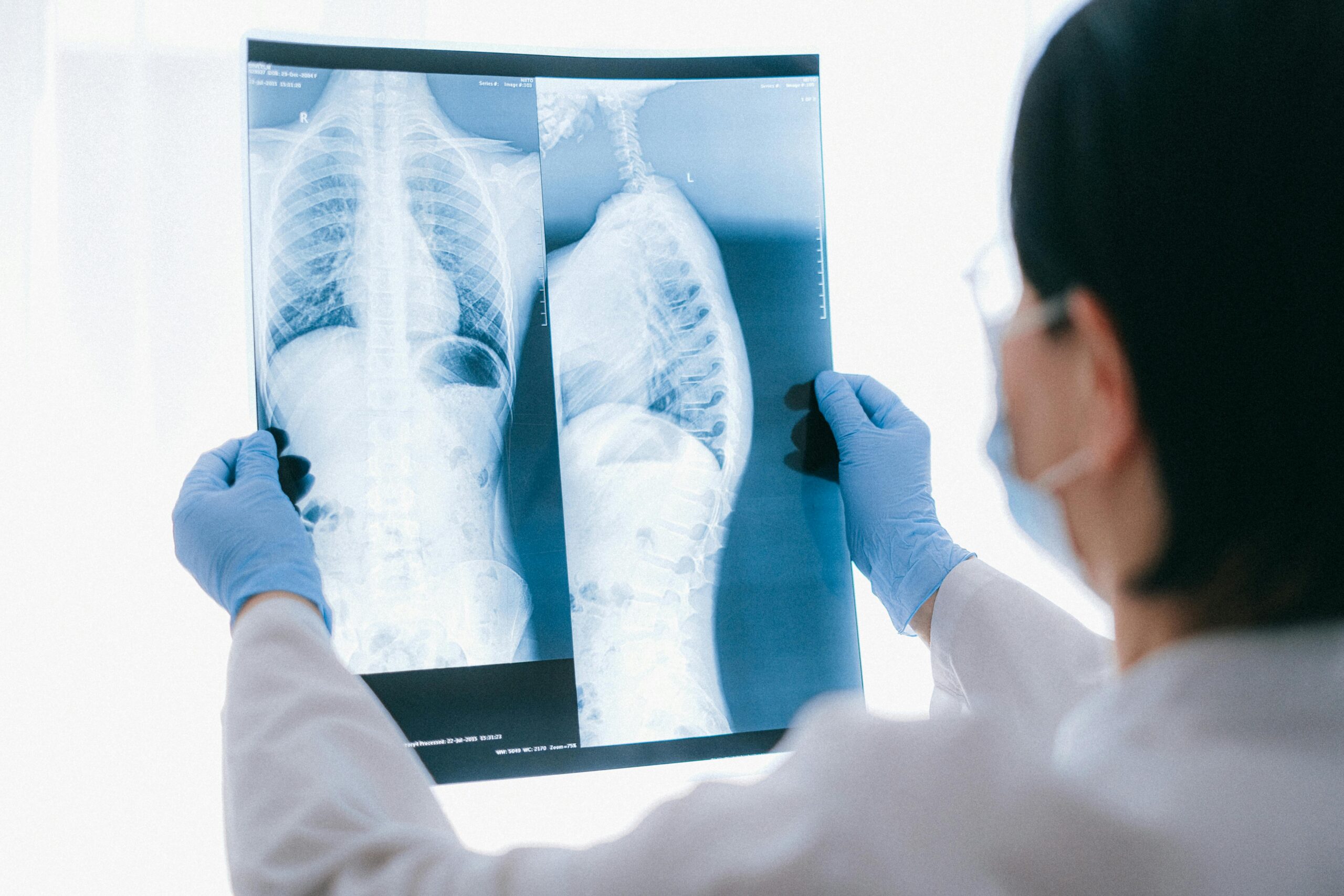
The heart and lungs work together to move oxygen into the bloodstream and circulate it throughout the body. The right side of the heart sends blood through the pulmonary arteries to the lungs for oxygenation, and the left side pumps oxygen-rich blood to the organs and tissues. When blood flow, oxygen exchange, or pressure in the pulmonary circulation is disrupted, both systems can become strained. Conditions such as pulmonary hypertension, heart failure, pulmonary embolism, and chronic lung disease often affect the heart and lungs simultaneously, making coordinated evaluation and early treatment essential.
Comprehensive cardio–pulmonary care at CardioVascular Health Clinic is developed through deep clinical experience and a thorough understanding of how pressure, blood flow, and oxygen levels interact throughout the circulatory system. Our specialists are highly trained in evaluating complex vascular and cardiac conditions that influence pulmonary circulation, using sophisticated diagnostic tools to detect subtle abnormalities before they progress. With a strong foundation in interventional therapies and a commitment to evidence-based medicine, CardioVascular Health Clinic delivers precise, carefully coordinated care plans designed to improve function, reduce risk, and support long-term stability for patients facing heart and lung concerns.
How the Heart and Lungs Work Together
The heart and lungs work side by side to keep oxygen moving through your body and waste gases moving out. Each relies on the other: the lungs bring oxygen into the bloodstream and remove carbon dioxide, while the heart provides the steady pumping action that keeps blood flowing in the right direction. Blood that needs oxygen travels from the right side of the heart through the pulmonary arteries—the vessels that carry blood from the heart to the lungs—where it picks up oxygen. It then returns to the left side of the heart to be pumped out to the rest of the body.
This constant circulation ensures that your muscles, brain, and organs receive the oxygen they need to function. At the same time, the heart and lungs work together to maintain healthy pressure within the pulmonary circulation—the network of arteries and veins inside the lungs—so blood can move through easily and oxygen exchange remains efficient. When both systems are working well, breathing feels effortless, circulation stays steady, and the body maintains the balance it depends on every day.
The Lungs’ Role in Supporting the Heart
The lungs are responsible for gas exchange. When you inhale, oxygen moves into tiny air sacs called alveoli. From there, oxygen diffuses into surrounding blood vessels and binds to hemoglobin in red blood cells. At the same time, carbon dioxide—a waste product—is removed from the bloodstream and exhaled.
For this process to work efficiently:
Blood must flow smoothly from the heart to the lungs via the pulmonary arteries.
Pressure in the lung circulation must remain low.
Oxygen must transfer effectively into the bloodstream.
If lung disease disrupts oxygen exchange or increases resistance in the pulmonary arteries, the right side of the heart must pump harder to push blood through the lungs. Over time, that extra strain can lead to right-sided heart enlargement and heart failure.
The Heart’s Role in Supporting the Lungs
The heart drives the entire system. The right ventricle pumps oxygen-poor blood to the lungs for oxygenation. The left ventricle then pumps oxygen-rich blood out to the body.
From a pulmonary standpoint, healthy cardiac function is essential for:
Maintaining adequate oxygen delivery.
Preventing fluid buildup in lung tissue.
Preserving normal pulmonary pressures.
When the left side of the heart weakens—such as in heart failure—blood can back up into the lungs. This congestion increases pressure in the pulmonary circulation and may lead to shortness of breath, fluid accumulation, and reduced oxygenation.
In short, the lungs oxygenate the blood, and the heart distributes it. Their communication is continuous and interdependent.
What Happens When the Cardio–Pulmonary Balance Is Disrupted: Pulmonary Hypertension, Heart Failure, Pulmonary Congestion, Pulmonary Embolism, and Cardiac Strain
Because the heart and lungs are so closely connected, a problem in one often affects the other. Their partnership depends on steady blood flow, normal oxygen levels, and healthy pressure inside the pulmonary circulation, the blood vessels within the lungs that carry blood between the heart and lungs. When that balance changes, the effects can build quickly. If the lungs are not working efficiently, oxygen levels can drop and pressure inside the pulmonary arteries can rise. This makes the right side of the heart work harder to push blood through the lungs. Over time, that extra strain can weaken the heart.
The reverse can also happen. If the heart is not pumping effectively, blood can move more slowly and pressure can increase in the vessels leading back to the lungs. When this occurs, oxygen exchange becomes less efficient and symptoms such as shortness of breath and fatigue may worsen. What may start as a heart issue or a lung issue can gradually involve both systems, with reduced oxygen levels and reduced circulation feeding into one another. This back-and-forth strain is why heart and lung problems are often evaluated together rather than separately.
When the normal balance between the heart and lungs is disrupted, certain conditions can develop that affect both systems at the same time rather than just one on its own.
Early detection of pulmonary hypertension is critical because if it goes untreated, it can progressively weaken the heart.
Heart Failure and Pulmonary Congestion
In heart failure, the heart cannot pump efficiently enough to meet the body’s needs. When the left ventricle fails to pump effectively, fluid can accumulate in the lungs, a condition known as pulmonary congestion. This fluid buildup in the lungs makes it harder for oxygen to move from the air sacs into the bloodstream. As breathing becomes less efficient, symptoms may intensify, creating a cycle in which the struggling heart further affects lung function, and the lungs, in turn, place more stress on the heart.
Without prompt treatment, a pulmonary embolism can sharply reduce oxygen levels in the blood and put sudden pressure on the right side of the heart, making it difficult for the heart to pump blood forward. When this happens, blood pressure can also drop suddenly, preventing enough oxygen-rich blood from reaching the brain and other vital organs and increasing the risk of cardiac arrest. It is this rapid escalation that makes early recognition, advanced imaging, and minimally invasive clot treatment are so important.
Over time, untreated chronic lung disease can gradually increase pressure in the pulmonary arteries and strain the right side of the heart, an example of how an ongoing respiratory condition can develop into a combined heart–lung problem if both systems are not carefully monitored and managed together.
The Importance of Comprehensive, Coordinated Care for Complete Cardio-Pulmonary Health
Because the heart and lungs work so closely together, treating one without considering the other can leave important pieces of the puzzle unaddressed. Many symptoms—such as shortness of breath, swelling, fatigue, or reduced exercise tolerance—can involve both blood circulation and oxygen exchange at the same time. Risk factors like high blood pressure, vascular disease, and clotting disorders don’t stay confined to a single organ; they affect how blood moves through the heart, the pulmonary arteries, and the lungs as a whole.
When it comes to cardiovascular or pulmonary conditions, catching problems early makes a meaningful difference. When pressure inside the pulmonary arteries begins to rise, or when the heart starts to struggle with pumping efficiently, the changes may be gradual at first, but over time, that strain can build. Once both systems are under stress, treatment becomes more complex, because improving one area often affects another.
For example:
Medications that reduce fluid in the lungs must be balanced carefully to maintain stable circulation.
Blood thinners used to treat or prevent pulmonary embolism require close monitoring and vascular expertise.
Procedures that improve heart valve function or restore blood flow to the heart can lower pressure backing up into the lungs.
Managing pulmonary artery pressures requires attention to how well the right side of the heart is functioning.
This interconnected nature is why cardio–pulmonary conditions benefit from a comprehensive and coordinated approach rather than isolated care.
At CardioVascular Health Clinic, we routinely treat conditions that directly affect lung circulation, including pulmonary embolism and deep vein thrombosis (DVT), vascular-related pulmonary hypertension, heart failure with fluid congestion in the lungs, coronary artery disease,peripheral artery disease, and structural or valvular heart disorders that alter pressure within the pulmonary circulation.
Our approach begins with advanced but accessible diagnostics, including echocardiography, vascular ultrasound, and detailed pressure measurements that help us understand how blood is moving through both the heart and lungs. When intervention is needed, we provide minimally invasive, catheter-based procedures in modern outpatient centers designed for safety, efficiency, and faster recovery.
Most importantly, our interventional cardiologists, vascular surgeons, and interventional radiologists work together to develop individualized care plans. By looking at the entire circulatory system—including the pulmonary arteries and right heart function—we address the underlying causes of strain rather than focusing on symptoms alone.
This whole-system perspective allows CardioVascular Health Clinic to deliver care that supports stable circulation, healthy oxygen delivery, and long-term cardio–pulmonary strength, not just short-term relief.
Protect Your Heart and Your Lungs with CardioVascular Health Clinic
Your heart and lungs work as one system, and when symptoms like unexplained shortness of breath, swelling, chest discomfort, or sudden fatigue appear, they deserve expert evaluation. At CardioVascular Health Clinic, our patients receive comprehensive cardio-pulmonary care from a multidisciplinary team of interventional cardiologists, vascular surgeons, and interventional radiologists who understand how closely these systems are connected. Using advanced diagnostics and minimally invasive treatments in modern outpatient facilities across Oklahoma, CardioVascular Health Clinic is uniquely equipped to identify the cause of circulatory and pulmonary strain and deliver targeted, coordinated solutions.
If you’re experiencing concerning symptoms or managing a heart or lung-related condition, schedule an appointment with CardioVascular Health Clinic today and take a proactive step toward protecting your long-term heart and lung health.
Comprehensive Cardio–Pulmonary Evaluation with CardioVascular Health Clinic
Our specialists use advanced imaging and vascular diagnostics to identify circulation problems affecting both the heart and lungs.
We’re committed to timely, efficient, and affordable care.
Here is a collection of useful resources our new and existing patients need in one convenient location. Please let us know if you need additional information or have any questions.
I’m about one month out and things are so much better. At my two week evaluation my symptom score had gone from a 27 to a 7, and I’m sure it’s even better now. That speaks volumes. Now that I’m post recovery, there is no incontinence, I go to the bathroom much less and there are no ED side effects like there are with other procedures. In regard to my quality of life, well, I don’t maintain my life based on my proximity to a bathroom anymore.
- Blaine P., M.D.
Professional staff working in a beautiful facility with great doctors who sincerely care about their patients. Without Dr. Schmidt's skill, I would have needed heart bypass surgery instead of a stent. Follow-up has been thorough. I can't recommend them highly enough.
- LeAnn H.
Dr. Jim Melton and all the staff are fantastic. He is an excellent surgeon and his team is GREAT!!!! I just had surgery at the surgery center, I have only great things to say about my experience. Without him I really don't think I would be here to write this. If you’re looking for a good cardiovascular team, they are a 5 star for sure.
- Susie H.
Dr. Parsons and staff are amazing. He truly listened to me from the consult. Staff showed genuine care for my progress post procedure. I had my follow up appointment today so satisfied with results. Blake made me comfortable from the start. He is an activist for uterine fibroids treatment beyond the standard.
- Tamara M.
Professional and caring staff. Dr. Smith is very knowledgeable and shows genuine concern for your personal health. I enjoyed the background music in the procedure room, it really adds to the relaxing atmosphere.
- David L.
Dr. John Schrader is the most personable doctor we know. He stays on top of my dads health care and is genuinely concerned about his health. We never leave his office with questions. He answers them all. Even questions we don’t think of. Always professional but never cold or bad bedside manner. In our opinion he is THE BEST around. Thank you Dr Schrader.
- Kathy J.
I came to Dr. Warren by a self referral for mals when it took me 8yrs 50+ doctors and thousands of dollars spent on no answers. My first visit I was scared I was just going to be gaslighted just like the past however I was pleasantly shocked when Dr. Warren immediately believed me. She took the time to review many disk I had brought from past tests. She never once dismissed me and listened to ever word I had to say. She scheduled one last test to confirm the diagnosis then I was scheduled for surgery right away. Surgery was a success and I can’t thank her and her staff enough. Dr. Warren truly saved my life.
- Angie W.
Dr. Garner literally saved my life 18 months ago and I've followed him to his new practice with Cardiovascular Health. He explains things so clearly, listens and is just a very nice person. His staff is great, too! I highly recommend!
- D Watts
Some of the nicest staff that I have ever dealt with!! They have been so incredibly awesome to my mom!! Would definitely recommend them to anyone!! Thank you so much for being so great with her!!
- Christy G.
The staff, the nurses, and Dr. Parsons were all amazing. Everything was simple and went well – very Bravo Zulu (military phrase meaning "well done"). In addition to the great staff at CardioVascular Health Clinic, the facilities were clean and well maintained. I have no complaints about anything. The whole experience was A1. I would recommend Dr. Parsons to anyone. He made a huge impact on my life.