Home > News > Oklahoma First: CHC Performs State’s First PFA in ASC, Offering AFib Patients Faster, Safer Care
Oklahoma First: CHC Performs State’s First PFA in ASC, Offering AFib Patients Faster, Safer Care
Apr 20, 2026
OKLAHOMA CITY, Okla. — At 79 years old, Oklahoma City resident Sherry Ratterree wasn’t looking for a medical breakthrough — she simply wanted relief from atrial fibrillation (AFib), a condition that had begun disrupting her daily life.
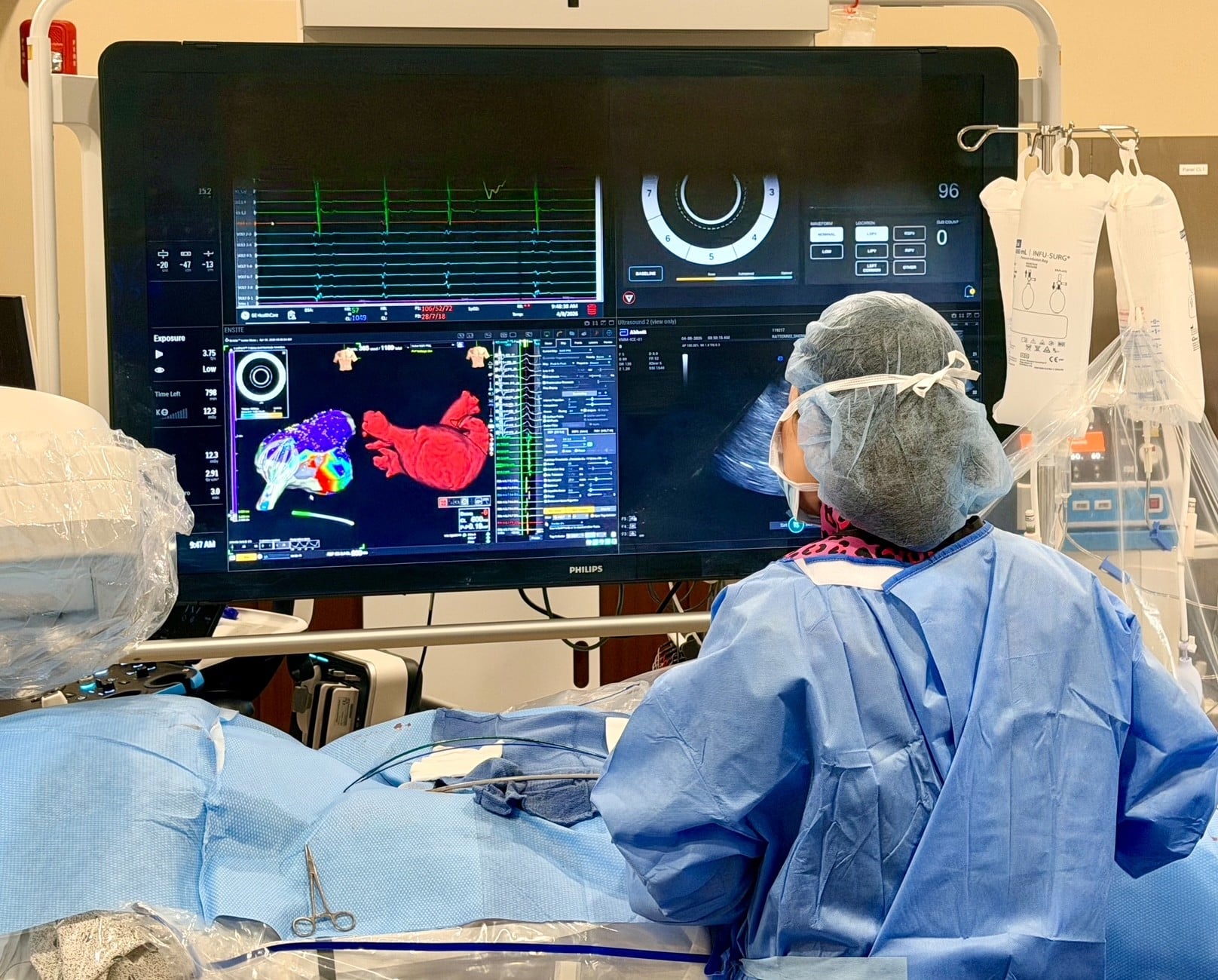
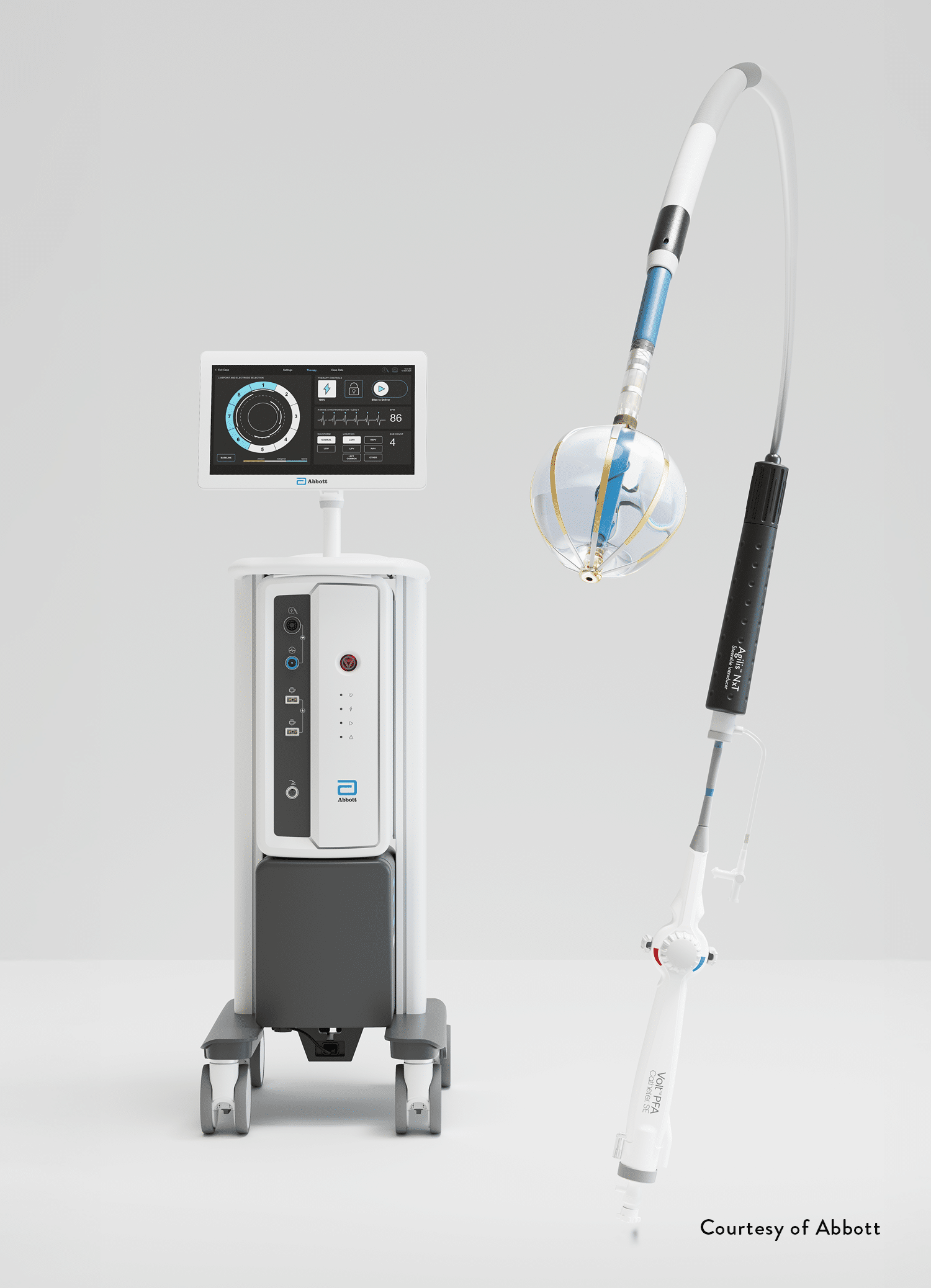
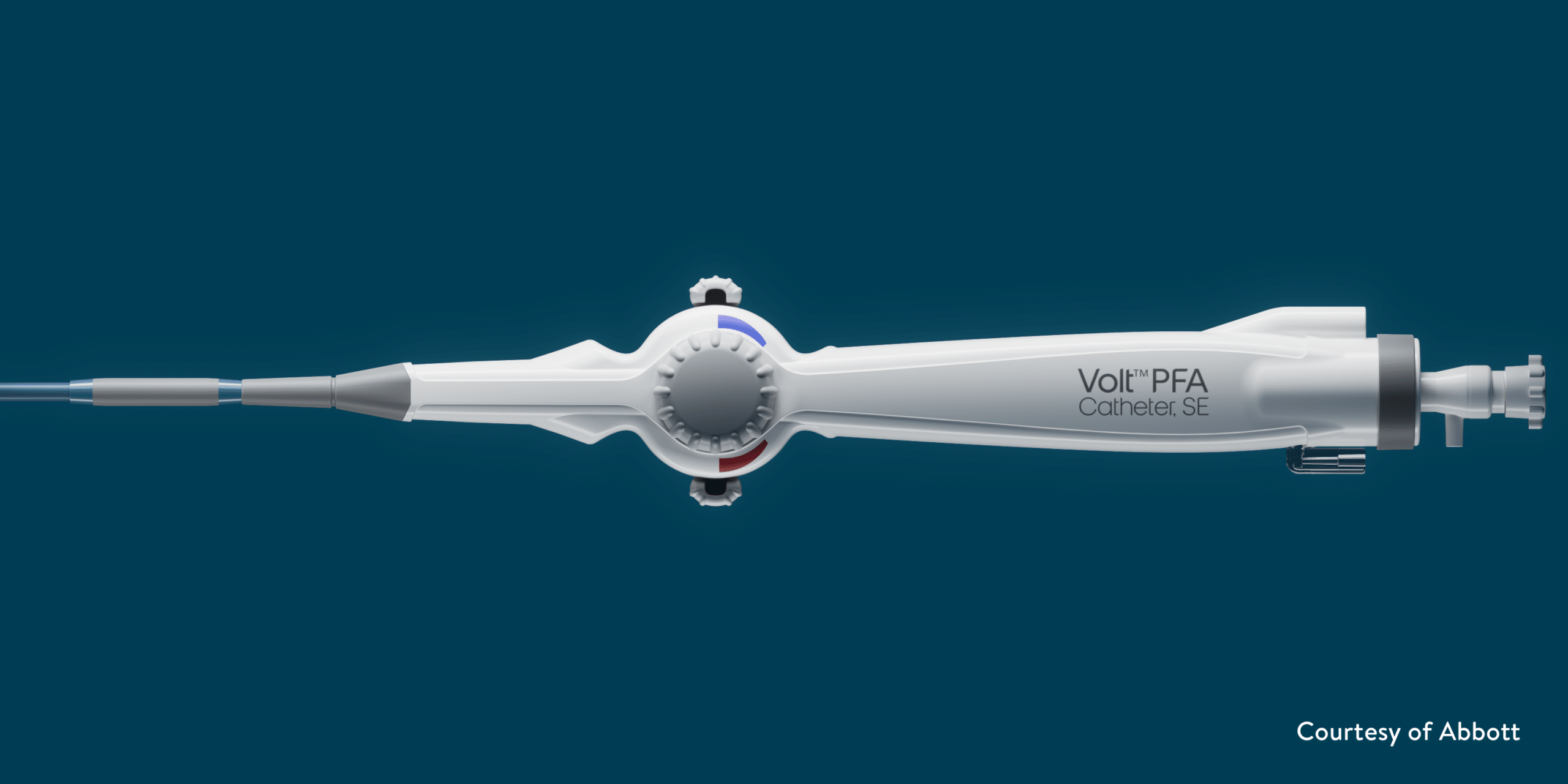
What she found at CardioVascular Health Clinic was more than treatment. She became one of the first patients in the United States — and the very first in an Oklahoma ambulatory surgical center (ASC) — to undergo a next-generation pulsed field ablation (PFA) procedure using Abbott’s Volt™ system.
“My background is in the laboratory, so I was big in technology and changes. It was fabulous that there I was, I felt safe and that I was going to be well taken care of by the people around me, Ratterree said.”
For Ratterree, confidence came from the experience and reputation of Monica Lo, M.D., a cardiac electrophysiologist at CardioVascular Health Clinic — and a primary investigator in the research and development of the very technology used in her procedure.
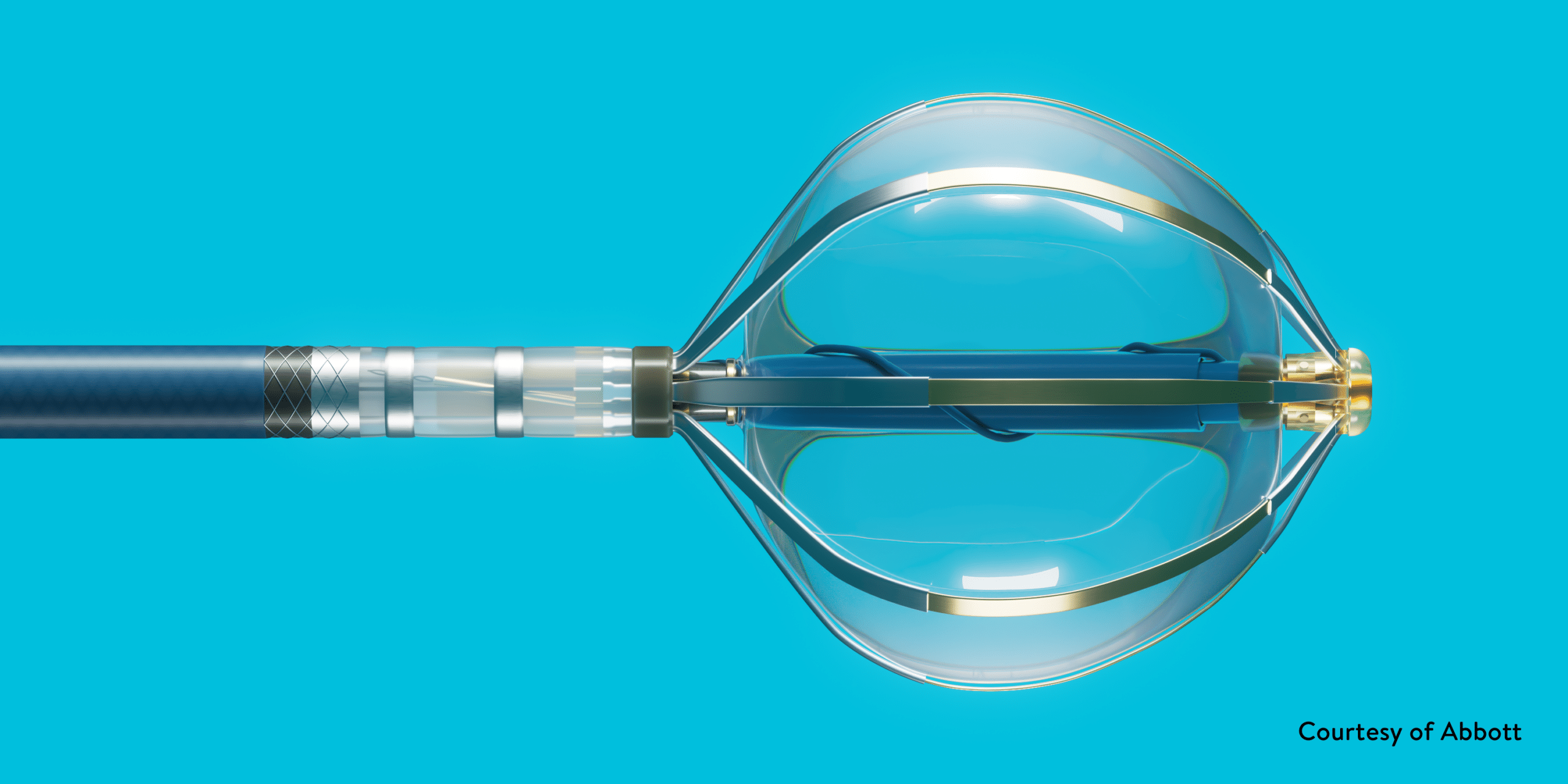
Dr. Lo’s role in pre-clinical and clinical research included working alongside engineers to refine catheter design, ensure safety, and determine the most effective way to deliver the therapy before it ever reached patients.Ratterree also credits the entire team at CardioVascular Health Clinic, including interventional cardiologist, Dwayne A. Schmidt, who referred her to Dr. Lo.
“That level of expertise gave me peace,” Ratterree added. “I knew I was in the best hands possible.”
Ratterree’s procedure also marked a major milestone for Oklahoma: it was the first pulsed field ablation performed in an ambulatory surgical center, rather than a traditional hospital.
For patients, that difference matters.
Ambulatory surgical centers offer several advantages for procedures like PFA:
Same-day discharge, allowing patients to recover at home
Less complex, more comfortable environment than a hospital
Minimally invasive approach, often with lighter sedation
Faster recovery times, with many patients resuming normal activities within days
“Patients can now receive this advanced, minimally invasive treatment in a more comfortable, streamlined environment outside of a hospital,” said Dr. Lo. “ASC settings reduce complexity while maintaining the highest standards of safety and quality.”
Pulsed field ablation represents a major evolution in how AFib is treated.
Traditional ablation procedures — such as radiofrequency (heat-based) or cryoablation (freezing) — rely on extreme temperatures to destroy the heart tissue causing irregular rhythms. While effective, those approaches can sometimes affect nearby structures because heat and cold are less selective.
By contrast, pulsed field ablation uses precise, high-energy electrical pulses to target only the heart cells responsible for AFib. The technology works by opening the cell membranes of those specific cells, stopping the abnormal signals without relying on heat or freezing.
“This second-generation technology allows us to achieve effective results with fewer energy applications while minimizing risks associated with older approaches. It’s incredibly rewarding to see years of research translate into better outcomes for patients,” Lo said.
For patients, that difference can mean:
Lower risk of damage to surrounding tissue
More targeted, tissue-specific treatment
Fewer energy applications needed during the procedure
Potentially faster, more comfortable recovery
“I went in that morning, had the procedure, and was home by early afternoon,” Ratterree said. “That alone was amazing to me.”
For Ratterree, the benefits were immediate.
She had no pain after the procedure and was up, walking and eating in little time. Within a week, she had already discontinued two medications she previously relied on to manage her AFib.
“My blood pressure is better, and I feel more like myself,” she said. “That’s what I wanted — to feel normal again.”
Recovery is typically quick. Many patients return to normal routines within days, with minimal restrictions.
For Ratterree, the long-term outlook is what matters most.
“I’m looking forward to living the next 20 years without AFib,” she said. “At my age, that’s a gift.”
For CardioVascular Health Clinic, the procedure represents the future of AFib care — combining innovative technology, expert leadership, and the convenience of an outpatient setting.
“I feel very blessed,” Ratterree said. “To have this kind of technology, this kind of doctor, and this kind of care right here — it’s something special.”
We’re committed to timely, efficient, and affordable care.
Here is a collection of useful resources our new and existing patients need in one convenient location. Please let us know if you need additional information or have any questions.
I’m about one month out and things are so much better. At my two week evaluation my symptom score had gone from a 27 to a 7, and I’m sure it’s even better now. That speaks volumes. Now that I’m post recovery, there is no incontinence, I go to the bathroom much less and there are no ED side effects like there are with other procedures. In regard to my quality of life, well, I don’t maintain my life based on my proximity to a bathroom anymore.
- Blaine P., M.D.
Professional staff working in a beautiful facility with great doctors who sincerely care about their patients. Without Dr. Schmidt's skill, I would have needed heart bypass surgery instead of a stent. Follow-up has been thorough. I can't recommend them highly enough.
- LeAnn H.
Dr. Jim Melton and all the staff are fantastic. He is an excellent surgeon and his team is GREAT!!!! I just had surgery at the surgery center, I have only great things to say about my experience. Without him I really don't think I would be here to write this. If you’re looking for a good cardiovascular team, they are a 5 star for sure.
- Susie H.
Dr. Parsons and staff are amazing. He truly listened to me from the consult. Staff showed genuine care for my progress post procedure. I had my follow up appointment today so satisfied with results. Blake made me comfortable from the start. He is an activist for uterine fibroids treatment beyond the standard.
- Tamara M.
Professional and caring staff. Dr. Smith is very knowledgeable and shows genuine concern for your personal health. I enjoyed the background music in the procedure room, it really adds to the relaxing atmosphere.
- David L.
Dr. John Schrader is the most personable doctor we know. He stays on top of my dads health care and is genuinely concerned about his health. We never leave his office with questions. He answers them all. Even questions we don’t think of. Always professional but never cold or bad bedside manner. In our opinion he is THE BEST around. Thank you Dr Schrader.
- Kathy J.
I came to Dr. Warren by a self referral for mals when it took me 8yrs 50+ doctors and thousands of dollars spent on no answers. My first visit I was scared I was just going to be gaslighted just like the past however I was pleasantly shocked when Dr. Warren immediately believed me. She took the time to review many disk I had brought from past tests. She never once dismissed me and listened to ever word I had to say. She scheduled one last test to confirm the diagnosis then I was scheduled for surgery right away. Surgery was a success and I can’t thank her and her staff enough. Dr. Warren truly saved my life.
- Angie W.
Dr. Garner literally saved my life 18 months ago and I've followed him to his new practice with Cardiovascular Health. He explains things so clearly, listens and is just a very nice person. His staff is great, too! I highly recommend!
- D Watts
Some of the nicest staff that I have ever dealt with!! They have been so incredibly awesome to my mom!! Would definitely recommend them to anyone!! Thank you so much for being so great with her!!
- Christy G.
The staff, the nurses, and Dr. Parsons were all amazing. Everything was simple and went well – very Bravo Zulu (military phrase meaning "well done"). In addition to the great staff at CardioVascular Health Clinic, the facilities were clean and well maintained. I have no complaints about anything. The whole experience was A1. I would recommend Dr. Parsons to anyone. He made a huge impact on my life.