Home > News > From Clinic to Home: Monitoring Your Heart Health Daily
From Clinic to Home: Monitoring Your Heart Health Daily
Nov 03, 2025
Taking care of your heart doesn’t stop when you leave the doctor’s office. In fact, some of the most valuable information about your cardiovascular health can come from monitoring it in your own home. Keeping track of key health numbers, like your blood pressure and pulse, can help you spot early changes, understand your progress, and let you have more informed conversations with your doctor.
At CardioVascular Health Clinic, we’ve earned our reputation through years of trusted, patient-focused cardiovascular care. Our board-certified specialists bring decades of combined experience in diagnosing, treating, and preventing heart disease, using the most advanced tools and evidence-based practices available. We understand that monitoring your heart health at home can feel overwhelming, so we take the time to explain your numbers, devices, and next steps in clear, practical terms. By pairing our expertise with personalized guidance, we help you feel confident in managing your heart health both inside our clinic and in your daily life.
In this article, we’ll explain why monitoring your heart health matters, which signs to pay attention to, and how tools like blood pressure cuffs and wearable technology can help. We’ll also cover everyday steps you can take to strengthen your heart and answer some common questions patients often ask.
Why It’s Important to Monitor Your Heart Health at Home
Your heart health can change gradually over time, and there might not be any obvious symptoms that something’s wrong. Regular at-home monitoring helps catch those subtle changes before they become serious problems. Tracking your numbers gives you and your doctor a picture of how treatments and lifestyle choices are affecting your health and if adjustments might be needed.
For patients managing chronic conditions like hypertension, arrhythmia, or heart failure, home monitoring can be especially valuable. It provides reassurance and encourages consistency. It also helps to prevent avoidable trips to the emergency room by catching concerning patterns early.
4 Heart Health Metrics You Should be Monitoring at Home
When we talk about at-home monitoring, most people immediately think of blood pressure—and for good reason since elevated blood pressure can often have no symptoms. But there are also a few other key measurements that can tell us a lot about your cardiovascular health. These include:
Pulse (heart rate and rhythm)
Blood Pressure
Daily activity and sleep quality (through wearable devices)
Lifestyle habits such as diet, exercise, and stress levels
You don’t need to track everything at once. Instead, think of these as tools in your health toolbox. Each will give a slightly different perspective of how your heart is doing.
Pulse: How to Measure It and What to Look For
Checking your pulse is simple and can tell you both your heart rate and rhythm. Place two fingers (not your thumb) on the inside of your wrist or the side of your neck until you feel the beat. Count the beats for 30 seconds and multiply by two to get your heart rate per minute. Also, pay attention if the beat feels steady and regular, or if you notice any skipped or extra beats, or changes in the beat’s pattern.
Most adults have a resting heart rate between 60 and 100 beats per minute. Lower rates can be normal for athletes, while higher or irregular rates may signal that something isn’t quite right. If you notice your pulse feels uneven or unusually fast, it’s a good reason to talk with your doctor.
Blood Pressure: How to Measure and What to Look For
Blood pressure is one of the most important measurements you can track at home. Use an automatic cuff that fits properly on your upper arm for the most accurate results. Sit quietly for five minutes before taking a reading, and sit with your feet flat on the floor and your arm supported at heart level.
A normal blood pressure reading is typically around 120/80 mm Hg or less. Readings that are consistently above 130/80 may show hypertension. Unusually low readings can also be concerning if they cause symptoms like dizziness. Keeping a log of your numbers helps your doctor identify trends and determine the best treatment for you.
How Wearable Technology Can Help Monitor Heart Health at Home
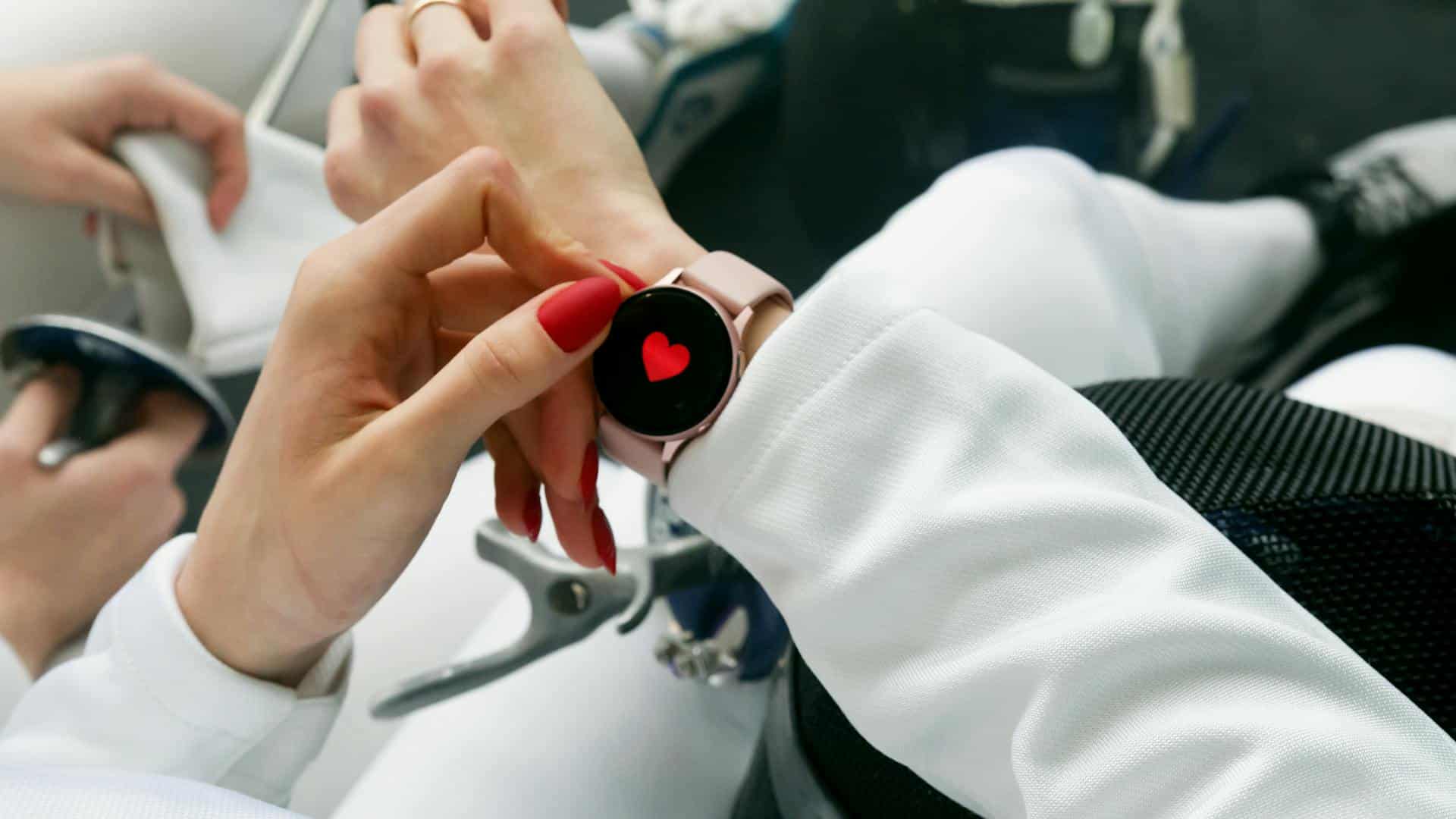
Smartwatches and fitness trackers are more than just step counters; they can be powerful tools for monitoring heart health. Many devices now measure heart rate, sleep patterns, and can even detect irregular heart rhythms such as atrial fibrillation.
While these devices aren’t perfect substitutes for medical-grade equipment, they can provide useful day-to-day information and alert you to changes to discuss with your doctor. They can also keep you motivated by showing progress with your activity levels and sleep quality.
Everyday Ways to Improve Your Cardiovascular Health
Monitoring your numbers is only part of the story for better heart health. It’s equally important to take proactive steps to improve your cardiovascular health.
Here are some proven, everyday strategies to improving your cardiovascular health:
Stay active. Aim for at least 150 minutes of moderate exercise each week, such as brisk walking, swimming, or cycling.
Eat heart-healthy foods. Focus on vegetables, fruits, lean proteins, whole grains, and healthy fats like olive oil.
Manage stress. Activities like yoga, meditation, or even simple deep-breathing exercises can reduce the impact that stress can have on your heart.
Quit smoking and limit alcohol. Both can significantly improve your heart health and lower your risk of complications.
Even small, consistent changes can make a big difference over time.
Common Questions about Monitoring Your Heart Health at Home
It’s completely normal to have questions when you’re learning how to monitor your heart health at home. Building these habits into your daily routine can feel overwhelming at first, but with time it becomes second nature. If you’re ever unsure about what your numbers mean or how often to check them, don’t hesitate to reach out to your doctor for guidance and peace of mind.
How often should I check my blood pressure at home?
For healthy people, checking their blood pressure once or twice per week is enough. But for those with elevated blood pressure, they might need to take it once or twice per day. Your doctor may recommend a different schedule depending on your condition.
When is the best time of day to check my blood pressure or heart rate?
The most accurate readings come when you measure at the same time each day, ideally in the morning before eating, drinking caffeine, or taking medications. Morning readings help track your baseline numbers, while evening checks can show how your body responds throughout the day. Consistency is key; taking measurements under similar conditions makes it easier to spot meaningful changes and trends.
Is it normal for my heart rate to go up during exercise?
Yes. Your heart rate naturally rises with activity. What’s important is how quickly it returns to normal afterward and whether it feels steady.
Can I rely on my smartwatch to monitor my heart health?
Smartwatches are helpful, but they aren’t a replacement for professional medical devices or advice from your doctor. Use them as an addition to your overall health picture and not your only source of monitoring.
When should I call my doctor about my numbers?
If your blood pressure is consistently above 130/80 or your heart rate is unusually high or irregular, you should contact your doctor. Other things to watch for are symptoms like chest pain, dizziness, or shortness of breath.
Should I track my weight as part of heart health monitoring?
Yes. Sudden weight changes can signal fluid retention, which may indicate heart problems like heart failure. Tracking your weight a few times a week can help you and your doctor spot trends early.
Can stress affect my heart readings at home?
Absolutely. Stress can temporarily raise blood pressure and heart rate, sometimes giving false readings. Try to relax for a few minutes before measuring to get the most accurate results.
How important is it to track my blood sugar if I’m at risk for heart disease?
Very important. Diabetes and prediabetes greatly increase your risk of heart disease. Regular blood sugar checks—especially if you have a family history or other risk factors—can help you catch problems early and protect your heart.
Do I need to keep a log of my readings?
Yes. Keeping a simple record of your blood pressure, heart rate, and other measurements helps your doctor see patterns and make informed decisions about your care. Many apps and smart devices can track this automatically.
Make the Most of At-Home Heart Health Monitoring with CardioVascular Health Clinic
At CardioVascular Health Clinic, we know that caring for your heart doesn’t stop when you leave our office. That’s why we provide comprehensive cardiovascular and vascular services—from advanced diagnostics and minimally invasive treatments to prevention and education—to address every factor affecting your heart health. Our team of board-certified cardiologists and experienced providers takes the time to understand your unique risks, including genetics, lifestyle, and medical history, so we can create a care plan tailored to you.We also work closely with you to integrate healthy habits and at-home monitoring into your daily life. By combining the tools you use at home—like blood pressure checks, wearable tech, and lifestyle tracking—with our expertise and guidance, we help you catch changes early and stay on track. Together, we can protect your heart, improve your quality of life, and give you the confidence to take charge of your cardiovascular health for years to come. View our locations or schedule an appointment with us today!
We’re committed to timely, efficient, and affordable care.
Here is a collection of useful resources our new and existing patients need in one convenient location. Please let us know if you need additional information or have any questions.
I’m about one month out and things are so much better. At my two week evaluation my symptom score had gone from a 27 to a 7, and I’m sure it’s even better now. That speaks volumes. Now that I’m post recovery, there is no incontinence, I go to the bathroom much less and there are no ED side effects like there are with other procedures. In regard to my quality of life, well, I don’t maintain my life based on my proximity to a bathroom anymore.
- Blaine P., M.D.
Professional staff working in a beautiful facility with great doctors who sincerely care about their patients. Without Dr. Schmidt's skill, I would have needed heart bypass surgery instead of a stent. Follow-up has been thorough. I can't recommend them highly enough.
- LeAnn H.
Dr. Jim Melton and all the staff are fantastic. He is an excellent surgeon and his team is GREAT!!!! I just had surgery at the surgery center, I have only great things to say about my experience. Without him I really don't think I would be here to write this. If you’re looking for a good cardiovascular team, they are a 5 star for sure.
- Susie H.
Dr. Parsons and staff are amazing. He truly listened to me from the consult. Staff showed genuine care for my progress post procedure. I had my follow up appointment today so satisfied with results. Blake made me comfortable from the start. He is an activist for uterine fibroids treatment beyond the standard.
- Tamara M.
Professional and caring staff. Dr. Smith is very knowledgeable and shows genuine concern for your personal health. I enjoyed the background music in the procedure room, it really adds to the relaxing atmosphere.
- David L.
Dr. John Schrader is the most personable doctor we know. He stays on top of my dads health care and is genuinely concerned about his health. We never leave his office with questions. He answers them all. Even questions we don’t think of. Always professional but never cold or bad bedside manner. In our opinion he is THE BEST around. Thank you Dr Schrader.
- Kathy J.
I came to Dr. Warren by a self referral for mals when it took me 8yrs 50+ doctors and thousands of dollars spent on no answers. My first visit I was scared I was just going to be gaslighted just like the past however I was pleasantly shocked when Dr. Warren immediately believed me. She took the time to review many disk I had brought from past tests. She never once dismissed me and listened to ever word I had to say. She scheduled one last test to confirm the diagnosis then I was scheduled for surgery right away. Surgery was a success and I can’t thank her and her staff enough. Dr. Warren truly saved my life.
- Angie W.
Dr. Garner literally saved my life 18 months ago and I've followed him to his new practice with Cardiovascular Health. He explains things so clearly, listens and is just a very nice person. His staff is great, too! I highly recommend!
- D Watts
Some of the nicest staff that I have ever dealt with!! They have been so incredibly awesome to my mom!! Would definitely recommend them to anyone!! Thank you so much for being so great with her!!
- Christy G.
The staff, the nurses, and Dr. Parsons were all amazing. Everything was simple and went well – very Bravo Zulu (military phrase meaning "well done"). In addition to the great staff at CardioVascular Health Clinic, the facilities were clean and well maintained. I have no complaints about anything. The whole experience was A1. I would recommend Dr. Parsons to anyone. He made a huge impact on my life.