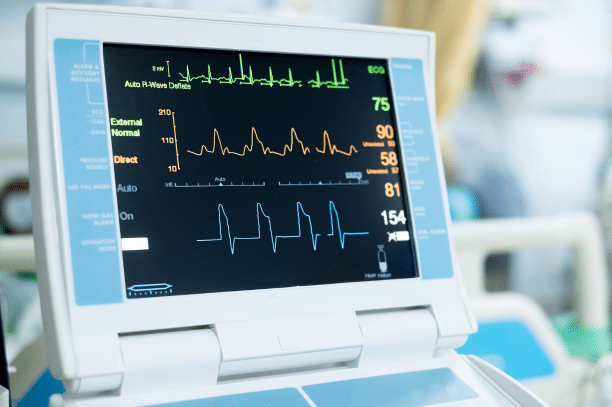
Seeing the words "abnormal EKG" on a test result can be unsettling, especially when you are not sure what the finding actually means. An electrocardiogram, commonly called an EKG or ECG, records the heart's electrical activity and provides information about heart rate, rhythm, and how electrical signals move through the heart. An abnormal result does not automatically mean that something is seriously wrong. It may reflect a temporary change, a variation that is not dangerous, or a finding that needs additional evaluation.
Understanding what an EKG can reveal and what may happen after an abnormal result can help put the finding into perspective.
What Is an EKG?
An EKG is a quick, noninvasive test that records the electrical signals produced by the heart. Small adhesive electrodes are placed on the chest and sometimes the arms and legs, allowing a machine to capture the heart's electrical activity.
The test can provide information about:
- Certain changes affecting the heart muscle
- Patterns that may suggest previous or current heart problems
According to the American Heart Association, an EKG can help identify conditions including arrhythmias, heart attacks, and other cardiovascular problems.
EKGs are commonly performed when someone experiences symptoms such as chest discomfort, dizziness, palpitations, shortness of breath, or an unusually fast or irregular heartbeat. They may also be part of a routine or comprehensive cardiovascular evaluation.
What Does "Abnormal EKG" Mean?
"Abnormal EKG" is not a diagnosis by itself. It means the electrical pattern recorded during the test differs from what is considered typical. The significance depends on the specific finding, the person's symptoms and medical history, and whether the change has appeared on previous EKGs.
An abnormal result may involve:
- An unusually fast or slow heart rate
- An irregular heart rhythm
- Changes in electrical conduction
- Patterns that may suggest changes in the heart muscle
- Findings that warrant further evaluation
An abnormal EKG does not necessarily mean that you have heart disease. It is one piece of information that must be interpreted in context.
Why Might an EKG Be Abnormal?
There are many possible reasons for an unexpected EKG finding. Some are related to cardiovascular conditions, while others may be associated with medications, electrolyte changes, illness, or other temporary factors.
Potential causes include:
- Heart muscle abnormalities
A standard EKG also captures the heart's electrical activity at one specific point in time. If an abnormal rhythm occurs only occasionally, it may not appear during the test, which can make additional monitoring useful.
Common Findings on an Abnormal EKG
An abnormal EKG can reveal many different patterns, and not all of them carry the same significance. Some findings may require only observation, while others can point toward a condition that needs treatment.
Common findings include:
Abnormal Heart Rate
An EKG may show that the heart is beating faster or slower than expected. A fast heart rate, known as tachycardia, can have many causes, including stress, illness, medications, or an underlying rhythm disorder. A slow heart rate, or bradycardia, may be normal for some people but can require evaluation when accompanied by symptoms.
Irregular Heart Rhythm
An EKG can detect abnormal rhythms such as atrial fibrillation or other arrhythmias. These conditions can affect how efficiently the heart beats and, depending on the specific rhythm, may increase the risk of complications.
Premature Heartbeats
Extra beats can originate in different areas of the heart and may appear on an EKG as an interruption in the normal rhythm. Occasional premature beats are common, but frequent or symptomatic episodes may warrant further evaluation.
Electrical Conduction Changes
The heart relies on an organized electrical system to coordinate each heartbeat. If those signals are delayed or interrupted, an EKG may show a conduction abnormality.
Signs Of Heart Muscle Changes
Certain EKG patterns may suggest that the heart muscle has been affected by conditions such as high blood pressure, previous heart damage, or other cardiovascular problems. Additional testing is often needed to determine what is causing the change.
What Happens After an Abnormal EKG?
An abnormal EKG does not always require extensive testing. The next step depends on what the EKG shows and whether you have symptoms or known cardiovascular risk factors. The Mayo Clinic notes that EKG results can provide information about heart rate and rhythm, previous heart attacks, reduced blood flow to the heart, and certain structural changes. If an EKG shows a change in the heartbeat, additional testing such as an echocardiogram may be recommended.
Your healthcare provider may:
- Compare the EKG with previous results
- Review your symptoms and medical history
- Perform a physical examination
- Recommend an echocardiogram
- Use a Holter or other heart monitor
- Recommend additional cardiovascular testing
For example, someone with occasional palpitations may benefit from longer-term heart rhythm monitoring, while someone with an EKG pattern suggesting a structural issue may need an echocardiogram.
The goal is to determine whether the abnormal finding represents a meaningful heart problem or an incidental variation that does not require treatment.
When Should an Abnormal EKG Be Taken Seriously?
An abnormal EKG deserves prompt attention when it occurs alongside concerning symptoms.
Seek immediate medical attention for symptoms such as:
- Severe shortness of breath
- Sudden weakness or numbness
- A sustained or very rapid heartbeat
These symptoms can have many causes, but they may indicate a serious cardiovascular event and should not be dismissed simply because an abnormal EKG has not yet been explained.
For less urgent findings, following up with your healthcare provider is still important. Even when you feel well, understanding why an EKG was flagged as abnormal can help determine whether additional monitoring or testing is appropriate.
How an Abnormal EKG Is Evaluated
An EKG is an important diagnostic tool, but it rarely provides the entire answer by itself. If a result is abnormal, your provider will consider it alongside your symptoms, medical history, risk factors, and other test results.
Depending on the findings, additional evaluation may include:
- Echocardiogram to examine the heart's structure and pumping function
- Heart rhythm monitoring to detect intermittent arrhythmias
- Stress testing to evaluate how the heart responds to physical activity
- Blood tests to identify factors that may affect heart function
- Additional imaging or cardiac testing when appropriate
This step-by-step approach helps determine whether an abnormal EKG reflects a temporary issue, an electrical rhythm problem, or an underlying cardiovascular condition.
What If Your EKG Is Abnormal?
An abnormal EKG can mean many different things, and the result alone does not tell you how serious the finding is.
Some abnormalities are minor and may not require treatment. Others can provide an early indication of a heart rhythm disorder, changes in heart function, or cardiovascular disease. The important thing is understanding what the specific finding means in the context of your overall health.
If you have been told that your EKG is abnormal, ask what was found and whether additional testing is recommended. Keeping track of symptoms such as palpitations, dizziness, chest discomfort, or shortness of breath can also give your provider useful information.
At CardioVascular Health Clinic, we use EKGs and other cardiovascular testing to evaluate symptoms, identify potential heart problems, and develop individualized care plans. An abnormal result is not necessarily a cause for alarm, but it is worth understanding.
If you have questions about an abnormal EKG or are experiencing symptoms that concern you, a cardiovascular evaluation can help clarify what is happening and whether further testing or treatment is needed.